
Overview
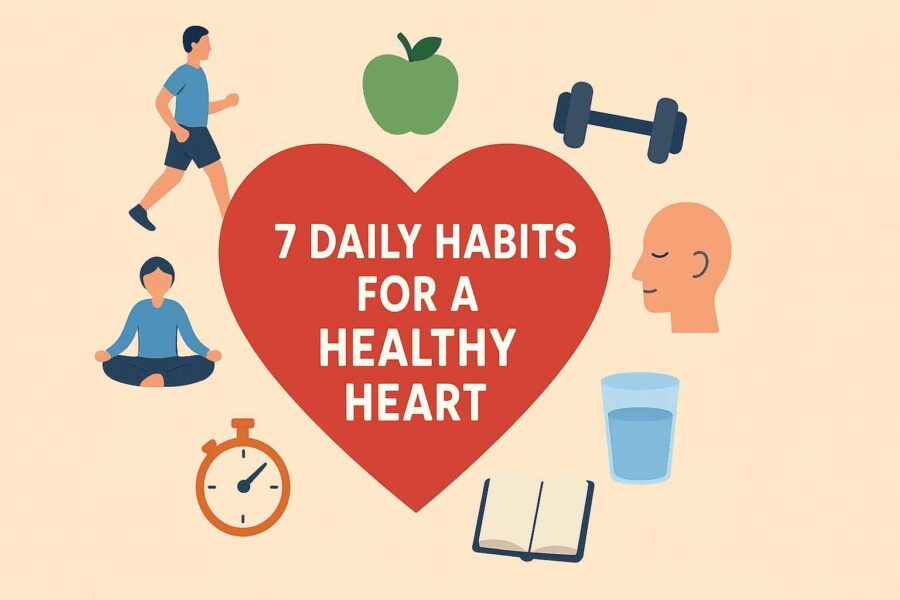
When it comes to overall well-being, nothing is more important than keeping your heart strong. Since the heart plays a vital role in pumping oxygen-rich blood throughout the body, it is directly connected to your health, energy, and longevity. Therefore, building a consistent routine that supports heart function is essential. In fact, experts agree that small, consistent changes in lifestyle bring long-lasting benefits. Consequently, this article will guide you through 7 daily habits for a healthy heart that are simple, effective, and scientifically proven.
1. Start Your Day with Physical Activity
First of all, engaging in regular physical activity is one of the most effective daily habits for a healthy heart. Because exercise helps improve blood circulation, it lowers cholesterol, reduces blood pressure, and maintains a healthy weight. Moreover, physical activity strengthens the heart muscle, making it work more efficiently.
For example, walking for just 30 minutes every morning can significantly reduce your risk of cardiovascular diseases. Additionally, incorporating activities such as cycling, swimming, or yoga ensures variety and prevents boredom. Above all, consistency matters more than intensity. Therefore, even moderate exercise done daily creates a positive impact on heart health.
2. Eat a Balanced Diet Rich in Heart-Friendly Foods
Equally important is adopting a nutritious diet. Since food fuels the body, choosing heart-healthy options helps prevent plaque buildup in arteries. For instance, including fruits, vegetables, whole grains, lean proteins, and healthy fats supports cardiovascular health.
In addition, reducing the intake of processed foods, sugary drinks, and excess salt lowers the risk of hypertension and obesity. Furthermore, omega-3 fatty acids found in fish, walnuts, and flaxseeds are particularly beneficial for heart function. As a result, mindful eating becomes one of the most essential daily habits for a healthy heart.
3. Manage Stress Effectively
Because stress directly affects blood pressure and heart rate, managing it is crucial. In fact, chronic stress may trigger inflammation, which contributes to heart disease. Therefore, incorporating relaxation techniques into your daily routine protects your heart.
For example, practices such as meditation, deep breathing, journaling, or spending time in nature provide emotional balance. Moreover, staying socially connected with family and friends offers a natural buffer against stress. Consequently, stress management is a habit that not only supports the heart but also enhances mental well-being.
4. Get Quality Sleep Every Night
Another important factor is sleep. Since the heart needs adequate rest, poor sleep quality can lead to high blood pressure, irregular heartbeat, and obesity. Therefore, establishing healthy sleep habits is essential.
To illustrate, adults should aim for 7–8 hours of restful sleep each night. Additionally, creating a bedtime routine, keeping the bedroom dark, and avoiding caffeine before bed ensures better sleep quality. Furthermore, consistent sleep patterns improve mood, boost immunity, and strengthen heart health. As a result, prioritizing sleep becomes one of the most powerful daily habits for a healthy heart.
5. Stay Hydrated Throughout the Day
Because water plays a key role in circulation and energy, hydration is vital. In fact, dehydration thickens the blood, making the heart work harder. Therefore, drinking enough water supports smooth blood flow and keeps the heart healthy.
For example, carrying a water bottle and sipping frequently prevents dehydration. Additionally, consuming fruits and vegetables with high water content further improves hydration. Moreover, replacing sugary sodas with water or herbal teas reduces calorie intake, which benefits weight management and heart function. Consequently, hydration is a small but powerful step toward maintaining cardiovascular health.
6. Quit Smoking and Limit Alcohol
Since smoking is one of the leading causes of heart disease, quitting it is the most effective decision for heart health. Because cigarette smoke damages arteries, reduces oxygen supply, and increases blood pressure, it greatly strains the heart. Therefore, leaving this habit behind adds years to life expectancy.
In addition, limiting alcohol intake is equally essential. Although moderate consumption may offer some benefits, excess drinking raises blood pressure and damages the heart muscle. As a result, making conscious choices about smoking and alcohol becomes one of the most life-saving daily habits for a healthy heart.
7. Monitor Your Health Regularly
Finally, tracking your health ensures early detection of risk factors. Since conditions like high blood pressure, cholesterol, and diabetes affect the heart, regular check-ups are crucial. Therefore, visiting your healthcare provider for screenings allows preventive measures before problems escalate.
For instance, monitoring blood pressure at home, keeping a record of cholesterol levels, and checking blood sugar improves awareness. Moreover, understanding your family history and lifestyle risks helps you take personalized precautions. Consequently, health monitoring completes the list of daily habits for a healthy heart by keeping you informed and proactive.
Putting It All Together
Although each habit is powerful individually, combining them ensures long-term heart health. Because a strong heart requires physical, emotional, and nutritional balance, adopting all these habits creates a holistic lifestyle. Therefore, make gradual changes, stay consistent, and track your progress. Above all, remember that your heart rewards every positive step with better health, higher energy, and longer life.
FAQs on Daily Habits for a Healthy Heart
Q1. What are the best daily habits for a healthy heart?
The best daily habits for a healthy heart include exercising, eating a balanced diet, managing stress, sleeping well, staying hydrated, quitting smoking, limiting alcohol, and monitoring health regularly.
Q2. How much exercise is needed for heart health?
At least 30 minutes of moderate physical activity five days a week supports heart health. Activities like brisk walking, cycling, or swimming are ideal.
Q3. Can diet alone improve heart health?
Yes, diet plays a significant role. However, combining a balanced diet with exercise, stress management, and other healthy habits brings the best results.
Q4. Why is stress harmful to the heart?
Stress triggers hormonal changes that increase blood pressure and inflammation, both of which raise the risk of heart disease.
Q5. How does sleep affect the heart?
Poor sleep increases the risk of high blood pressure, obesity, and irregular heartbeat. Therefore, quality sleep is vital for heart health.
Q6. What drinks are best for heart health?
Water, green tea, and herbal teas are great for hydration and heart health, while sugary drinks and excessive alcohol should be avoided.
Q7. How often should I go for heart check-ups?
Adults should schedule yearly check-ups. However, individuals with high risk factors may need more frequent monitoring as advised by their doctor.
Conclusion
To sum up, building a strong and healthy heart requires consistent daily habits. Since the heart is central to your overall well-being, protecting it with exercise, nutrition, stress control, quality sleep, hydration, avoiding harmful substances, and regular health checks becomes essential. As a result, adopting these 7 daily habits for a healthy heart ensures not only longevity but also a happier and more energetic life.