
Dr.R.P.Prjapati BPTh CSMPT Pediatrics/Geriatrics Neuro Physiotherapist
As a team, we work together to find answers, set goals and develop a treatment plan tailored to your child’s needs.
Learn more about Healingwithram
Overview
Developmental Delay in Babies is a concern that many parents experience during the early years of their child’s life. Although every baby grows at a unique pace, certain milestones help determine whether development is progressing as expected. Therefore, understanding Developmental Delay in Babies is essential for early identification and timely intervention.
Moreover, early recognition allows parents and healthcare professionals to provide the right support. Consequently, children can improve their physical, cognitive, social, and communication skills more effectively. In this comprehensive guide, you will learn about the causes, signs, diagnosis, treatment options, and preventive strategies related to Developmental Delay in Babies.
What is Developmental Delay in Babies?
Developmental Delay in Babies refers to a condition in which a child does not reach developmental milestones within the expected age range. Generally, milestones are divided into four major domains:
- Gross motor skills
- Fine motor skills
- Speech and language skills
- Social and cognitive skills
For example, most babies begin sitting without support around six months. However, if a baby cannot sit even after several months beyond the typical age, this may indicate Developmental Delay in Babies. Nevertheless, slight variations are common, and not all delays indicate serious conditions.
Types of Developmental Delay
1. Gross Motor Delay
Gross motor delay affects large muscle movements. For instance, babies may struggle with rolling, crawling, sitting, or walking. Consequently, muscle weakness or neurological concerns may be evaluated.
2. Fine Motor Delay
Fine motor delay involves difficulty with small movements, such as grasping toys or transferring objects between hands. Therefore, coordination and muscle control require assessment.
3. Speech and Language Delay
Speech delay is one of the most common forms of Developmental Delay in Babies. Although some babies speak later than others, persistent difficulty in babbling, responding to sounds, or forming simple words may require attention.
4. Social and Emotional Delay
Social delays may include limited eye contact, reduced smiling, or lack of interest in interaction. Therefore, early observation plays a key role in understanding Developmental Delay in Babies.
Common Causes of Developmental Delay
Developmental Delay in Babies can occur due to various factors. However, identifying the underlying cause helps in planning appropriate interventions.
1. Genetic Conditions
Certain genetic disorders may influence growth and neurological development. Therefore, medical testing may be recommended.
2. Premature Birth
Babies born prematurely may experience delayed milestones. However, many catch up with proper care and monitoring.
3. Low Birth Weight
Low birth weight can affect muscle strength and overall development. Consequently, pediatric follow-ups become essential.
4. Infections During Pregnancy
Maternal infections may impact fetal brain development. Therefore, prenatal care plays a significant role.
5. Nutritional Deficiencies
Inadequate nutrition can affect brain and physical growth. Thus, proper feeding practices are critical.
6. Environmental Factors
Limited stimulation, neglect, or lack of interaction can contribute to Developmental Delay in Babies. Therefore, responsive caregiving is important.
Early Signs of Developmental Delay
Recognizing early signs is crucial. Although each child develops differently, certain red flags should not be ignored.
- Not smiling by 3 months
- Not rolling over by 6 months
- Not sitting by 9 months
- Not babbling by 9 months
- Not walking by 18 months
- Limited eye contact
If these signs persist, consultation with a pediatrician is advisable. Early evaluation ensures that Developmental Delay in Babies is addressed promptly.
How is Developmental Delay Diagnosed?
Diagnosis usually involves developmental screening and medical evaluation. Pediatricians may use standardized developmental assessment tools. Additionally, hearing and vision tests may be conducted.
Furthermore, healthcare providers may observe movement patterns, communication attempts, and social responses. Therefore, a multidisciplinary approach ensures accurate identification of Developmental Delay in Babies.
The Importance of Early Intervention
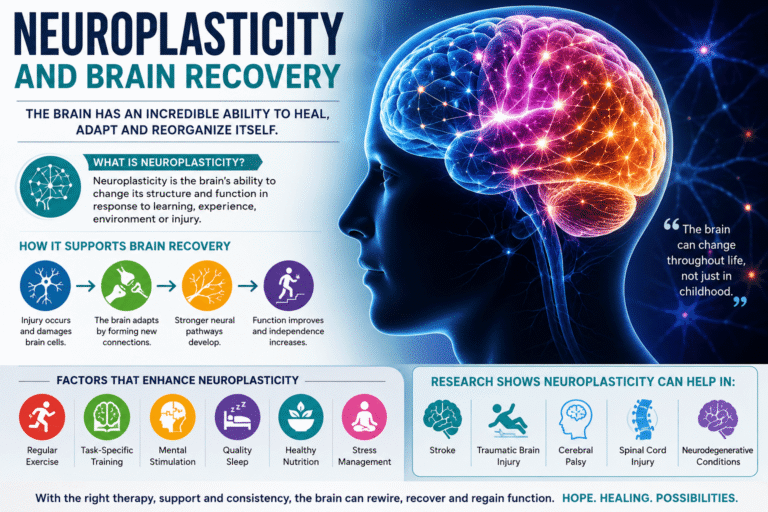
Early intervention significantly improves outcomes. When Developmental Delay in Babies is identified early, therapy can begin immediately. Consequently, neural pathways develop more effectively during the early years.
Intervention programs may include:
- Physical therapy
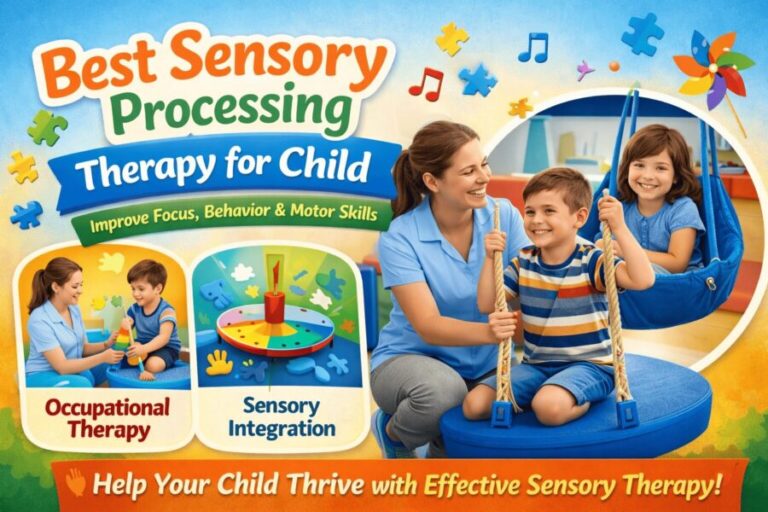
- Occupational therapy
- Speech therapy
- Behavioral therapy
Therefore, early support maximizes the child’s potential and reduces long-term complications.
Role of Parents in Managing Developmental Delay
Parents play a vital role in supporting development. Although therapy sessions are important, daily interaction has equal significance.
Encourage Tummy Time
Tummy time strengthens neck and shoulder muscles. Consequently, gross motor skills improve.
Promote Communication
Talking, singing, and reading to babies enhance language skills. Therefore, regular verbal interaction supports speech development.
Offer Sensory Stimulation
Providing toys of different textures, colors, and sounds stimulates cognitive growth.
Maintain Routine
Structured daily routines create a sense of security. Consequently, emotional and social development becomes stable.
Treatment Options for Developmental Delay
Treatment depends on the type and severity of delay. However, individualized care plans are most effective.
Physical Therapy
Physical therapy focuses on muscle strength, posture, and movement. Therefore, babies improve coordination and balance.
Occupational Therapy
Occupational therapy enhances fine motor skills and daily functional abilities.
Speech Therapy
Speech therapy supports communication skills and oral motor development.
Nutritional Support
Balanced nutrition supports brain growth. Consequently, developmental progress improves.
Can Developmental Delay Be Prevented?
Although not all cases are preventable, certain measures reduce risks.
- Regular prenatal checkups
- Proper maternal nutrition
- Vaccinations during pregnancy
- Avoiding alcohol and smoking
- Safe delivery practices
Furthermore, early developmental screening ensures prompt action.
Long-Term Outlook
The prognosis for Developmental Delay in Babies varies. However, many children show remarkable improvement with early intervention. Consequently, continuous monitoring ensures steady progress.
Some children may catch up completely, while others may require ongoing support. Therefore, individualized assessment remains essential.
When to See a Doctor
Parents should seek medical advice if they notice consistent delays or regression of skills. Additionally, sudden loss of previously acquired skills requires immediate attention.
Early consultation ensures that Developmental Delay in Babies is properly evaluated and managed.
Emotional Support for Parents
Caring for a child with Developmental Delay in Babies can be emotionally challenging. However, support groups and counseling provide reassurance. Therefore, parents should not hesitate to seek professional guidance.
Remember, early action leads to better outcomes. Consequently, staying informed empowers families to make confident decisions.
FAQs
1. Is Developmental Delay in Babies Permanent?
Not always. Many babies improve significantly with early intervention and therapy.
2. At what age should I worry about delayed milestones?
If your baby consistently misses milestones beyond expected age ranges, consult a pediatrician.
3. Can premature babies have Developmental Delay in Babies?
Yes, premature babies may experience delays; however, many catch up over time.
4. Does screen time cause Developmental Delay in Babies?
Excessive screen time may limit interaction and stimulation, which can affect development.
5. How can I support my baby at home?
Engage in play, talk regularly, encourage movement, and provide a nurturing environment.
Conclusion
Developmental Delay is a manageable condition when identified early. Although variations in development are normal, consistent delays should not be ignored. Therefore, awareness, timely diagnosis, and appropriate therapy make a significant difference.
Moreover, parental involvement plays a crucial role in supporting growth. Consequently, combining professional intervention with daily stimulation enhances developmental progress.
Ultimately, every child deserves the opportunity to reach their full potential. Therefore, understanding Developmental Delay in Babies allows parents to take proactive steps toward ensuring a healthy and happy future for their child.