
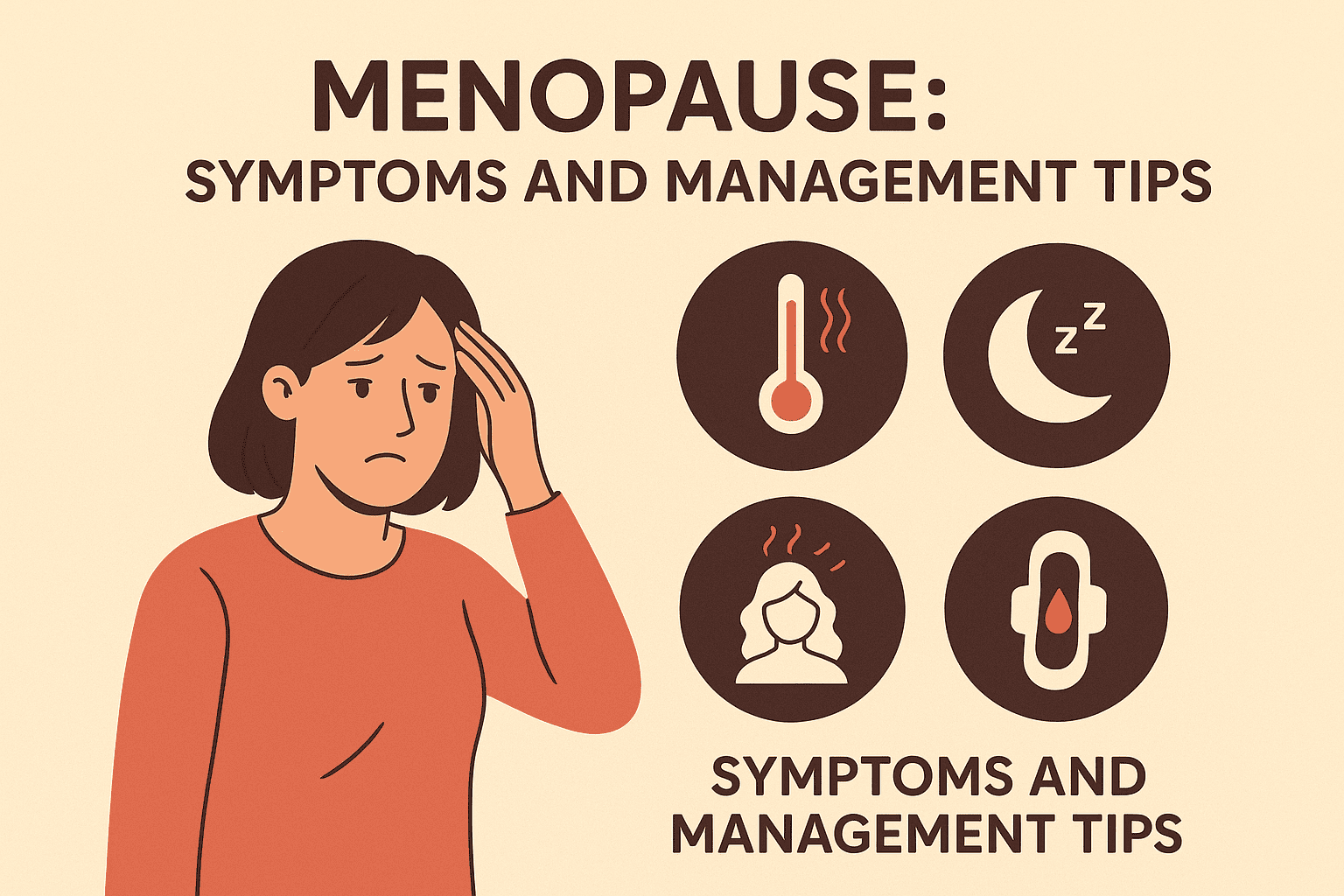
Author@Renu Maurya Path.Introduction to Menopause Symptoms and Management Tips
Menopause is a natural biological stage in every woman’s life, usually occurring between the ages of 45 and 55. While it marks the end of the reproductive years, it also brings with it physical and emotional changes. Therefore, understanding menopause symptoms and management tips becomes essential for maintaining health, comfort, and well-being during this transition.
- Fine Motor Activities: Boosting Hand Skills for Lifelong Learning
- Developmental Delay in Babies: Early Signs, Causes, and Effective Support for Healthy Growth
- Pilates Therapy – Complete Professional Details
- What Is Bobath Therapy? What Is Bobath Therapy? A Complete Guide to Neurodevelopmental Treatment What Is Bobath Therapy?
- Best Sensory Processing Therapy for Child: A Complete Parent’s Guide
What Happens During Menopause?
To begin with, menopause occurs when a woman has not had a menstrual cycle for 12 consecutive months. This happens due to a decline in estrogen and progesterone production. Consequently, hormonal changes trigger different menopause symptoms. By identifying these symptoms early and following management tips, women can cope better with the changes.
Common Menopause Symptoms Women Experience
Firstly, menopause symptoms vary from woman to woman. Secondly, the intensity and frequency differ. Nevertheless, the following are the most common menopause symptoms:
- Hot flashes and night sweats
- Irregular periods before menstruation completely stops
- Mood swings and irritability
- Vaginal dryness and discomfort during intimacy
- Sleep disturbances or insomnia
- Weight gain and slowed metabolism
- Thinning hair and dry skin
- Memory issues and lack of concentration
Since these symptoms can disrupt daily life, following menopause management tips can make a huge difference.
Lifestyle Management Tips for Menopause Symptoms
Above all, adopting healthy lifestyle habits helps reduce discomfort. Here are practical menopause management tips every woman can follow:
- Balanced Diet: Eating fruits, vegetables, whole grains, and lean proteins improves energy and reduces weight gain.
- Hydration: Drinking enough water helps manage hot flashes and dryness.
- Exercise Routine: Regular physical activity reduces stress, improves sleep, and supports bone health.
- Stress Management: Yoga, meditation, and breathing exercises lower anxiety and mood swings.
- Quality Sleep: Following a bedtime routine improves sleep quality and reduces fatigue.
As a result, these menopause management tips enhance physical and emotional well-being.
Natural Remedies for Menopause Symptoms
In addition, many women prefer natural remedies. Therefore, these options are worth considering:
- Herbal supplements like black cohosh or red clover for hot flashes
- Omega-3 fatty acids for heart and brain health
- Calcium and vitamin D for stronger bones
- Phytoestrogens from soy products to balance hormones
Nevertheless, it is important to consult a healthcare professional before starting supplements.
Medical Treatments for Menopause Symptom Relief
Alongside natural remedies, medical treatments also provide effective relief. Hence, women can explore these menopause management tips with professional guidance:
- Hormone Replacement Therapy (HRT): Restores hormone balance and reduces hot flashes.
- Low-dose antidepressants: Helpful for mood swings and hot flashes.
- Vaginal estrogen creams: Reduce dryness and discomfort.
- Prescription medications: Manage osteoporosis risk during menopause.
Since every woman’s health condition is unique, medical supervision is crucial before starting any treatment.
Emotional and Mental Health Management Tips
Equally important, menopause affects emotional health. Consequently, focusing on mental well-being is vital. Here are practical menopause management tips for emotional balance:
- Seek support groups or counseling for guidance.
- Engage in hobbies and creative activities to reduce stress.
- Build strong social connections to avoid isolation.
- Practice mindfulness for inner calm.
Because emotional health is closely tied to physical well-being, these steps improve overall quality of life. PCOS
Everyday Coping Strategies for Menopause Symptoms
Moreover, small daily strategies ease the transition. For instance:
- Wearing breathable fabrics reduces hot flash discomfort.
- Keeping rooms cool at night promotes better sleep.
- Tracking symptoms helps identify triggers.
- Avoiding caffeine and alcohol minimizes night sweats.
Therefore, practical adjustments can transform how women experience menopause.
Long-Term Health Considerations After Menopause
Finally, women should focus on long-term health. Beyond menopause symptoms, aging increases risks of osteoporosis, cardiovascular issues, and weight gain. Thus, these menopause management tips should be adopted:
- Bone health care through exercise and supplements
- Heart health monitoring with regular check-ups
- Healthy weight management with diet and exercise
- Routine medical screenings for early detection of conditions
By planning ahead, women can stay strong, active, and healthy well into later years.
FAQs on Menopause Symptoms and Management Tips
Q1. At what age does menopause usually begin?
Menopause usually begins between ages 45 and 55, although some women may experience it earlier or later.
Q2. How long do menopause symptoms last?
Symptoms can last for several years, but their intensity reduces over time. For most women, symptoms last between 4 to 7 years.
Q3. Can diet reduce menopause symptoms?
Yes, a balanced diet rich in vitamins, minerals, and plant-based foods reduces discomfort and promotes energy.
Q4. Is hormone replacement therapy safe for all women?
Not all women are suitable for HRT. A healthcare provider should assess medical history before recommending it.
Q5. What is the best way to manage hot flashes naturally?
Staying cool, drinking water, practicing relaxation techniques, and avoiding triggers like caffeine can help.
Q6. Does menopause affect mental health?
Yes, mood swings, anxiety, and irritability are common. Support, therapy, and stress management help maintain mental balance.
Q7. Should women exercise during menopause?
Absolutely. Exercise supports bone health, heart function, and emotional stability.
Conclusion on Menopause Symptoms and Management Tips
In conclusion, menopause is a natural stage that comes with its challenges. However, with proper knowledge of menopause symptoms and management tips, women can maintain comfort, health, and positivity. Through lifestyle changes, natural remedies, and medical treatments, it becomes easier to navigate this life stage. Ultimately, menopause does not mark an end but rather the beginning of a new phase filled with opportunities for growth, wellness, and balance.
All Medical content is based on verified sources such as ICMR, AIIMS, and MoHFW India