
Recent Medical News: Alzheimer’s Detection
Medical science is constantly evolving, and recent updates highlight major breakthroughs as well as critical challenges. From early Alzheimer’s detection through eye exams to the comparison between clopidogrel and aspirin, and from counterfeit drug risks to vaccine mandate debates, these developments impact both healthcare professionals and the public. Therefore, it is important to understand the implications of these changes for future health policies and patient care.Recent Medical News: Alzheimer’s Detection.
Alzheimer’s Detection Through Routine Eye Exams
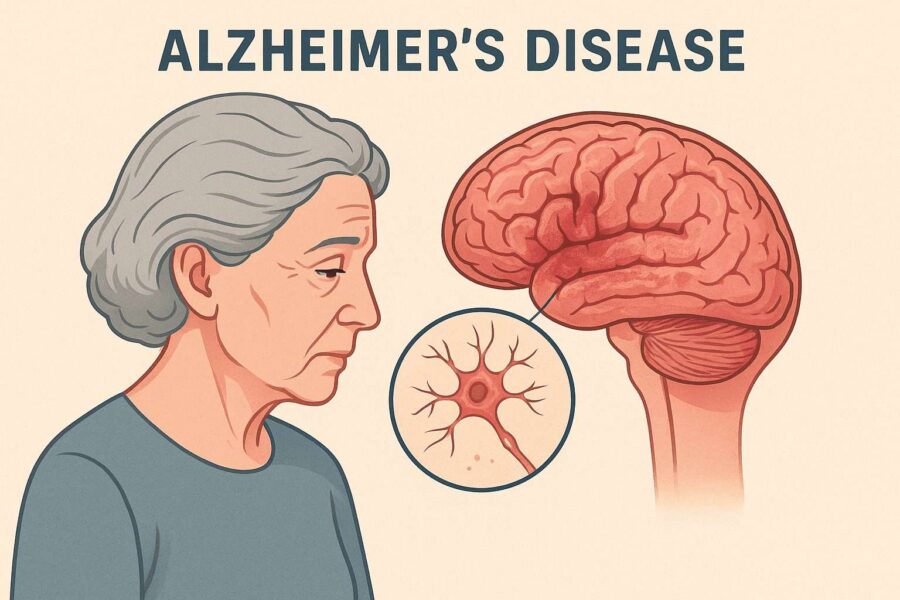
Researchers have discovered that routine eye exams may help detect Alzheimer’s disease at an earlier stage. Because the retina is closely connected to the brain, changes in retinal blood vessels can indicate potential cognitive decline. As a result, eye exams could serve as a non-invasive diagnostic tool. Moreover, early detection may provide patients with timely access to preventive care and lifestyle changes, which could delay disease progression.
Cardiovascular Treatment Shifts: Clopidogrel vs. Aspirin
Traditionally, aspirin has been the most common choice for preventing heart attacks and strokes. However, a new pooled analysis involving nearly 29,000 patients shows that clopidogrel reduced the risk of cardiovascular events by 14% compared to aspirin. Consequently, doctors may consider clopidogrel as a better option for long-term care in patients with coronary artery disease. Furthermore, large-scale trials suggest that clopidogrel may set a new standard in cardiovascular treatment worldwide.
Counterfeit Drug Risks in the EU
Another alarming update involves the European Medicines Agency (EMA), which reported a rise in counterfeit weight-loss and diabetes drugs online. Fake versions of Ozempic and Mounjaro are being sold without proper regulation. Since these products often lack active ingredients or contain harmful substances, they pose serious health risks. In addition, public awareness campaigns are essential, and regulators must strengthen surveillance to protect patients from such threats.
Vaccine Policy Debates in Florida
Recent Medical News: Alzheimer’s Detection In the United States, Florida is moving toward eliminating childhood vaccine requirements. As a result, vaccines for diseases such as measles, polio, and chickenpox may no longer be mandatory for school children. Although supporters argue for parental choice, public health experts warn that this decision could increase the risk of outbreaks. Therefore, the debate raises questions about balancing individual freedom with community safety. Moreover, states like California, Oregon, and Washington are forming alliances to maintain evidence-based guidance.
Public Health Implications
Each of these updates has significant public health implications. On one hand, early Alzheimer’s detection could transform diagnosis and treatment strategies. On the other hand, counterfeit drugs and relaxed vaccine mandates present risks that may compromise community safety. At the same time, advances in cardiovascular care demonstrate the importance of continuous research in saving lives. Consequently, medical professionals, policymakers, and patients must work together to ensure that progress benefits everyone.
Q/A Section
Q1: How can routine eye exams help detect Alzheimer’s?
Routine eye exams can detect changes in retinal blood vessels that mirror early changes in the brain. Therefore, they may provide early warning signs of Alzheimer’s disease before severe symptoms appear.
Q2: Is clopidogrel safer than aspirin?
Studies show that clopidogrel reduces the risk of heart attacks and strokes more effectively than aspirin. However, doctors must consider individual patient conditions before recommending long-term use.
Q3: Why are counterfeit drugs a growing concern?
Counterfeit drugs often lack the correct active ingredients or include harmful substances. Consequently, they pose serious risks to patient health and undermine trust in medical treatments.
Q4: What are the risks of removing vaccine mandates?
Removing vaccine mandates could lead to lower immunization rates, which in turn increases the risk of outbreaks of preventable diseases like measles, polio, and chickenpox.
Q5: How can patients stay safe from counterfeit drugs?
Patients should always purchase medications from licensed pharmacies, verify packaging and labeling, and consult healthcare providers before using any medication purchased online.
Q6: What is the main public health lesson from these updates?
The main lesson is that scientific research, patient awareness, and evidence-based policies must work together. This approach ensures better disease prevention, safer treatments, and stronger public health outcomes.
Conclusion
Recent Medical News: Alzheimer’s Detection In conclusion, recent medical news reflects both hope and concern. While eye exams may help detect Alzheimer’s early and clopidogrel may redefine heart treatment, the dangers of counterfeit drugs and vaccine policy shifts highlight ongoing challenges. Therefore, staying updated on medical research and policy debates remains vital for health professionals and the general public alike.