
Author Bio: Dr. Ram Prakasha BPTh
Written by a Physiotherapy and Public Health professional with experience in neurological rehabilitation and health awareness. The content is intended for educational purposes only.
When it comes to finding relief from chronic back pain, many people wonder what a spinal decompression machine is and how it works. In simple terms, a spinal decompression machine is a medical device used to stretch the spine in a controlled way. As a result, it relieves pressure on the spinal discs, nerves, and joints. Since this therapy is non-surgical, it has become a popular alternative to back surgery.
Throughout this blog post, we will discuss how a spinal decompression machine works, what conditions it treats, its benefits, risks, cost, and frequently asked questions. Because the topic is important for anyone dealing with back pain, you will find every detail explained in easy-to-understand language.
1. How Does a Spinal Decompression Machine Work?
A spinal decompression machine works by gently stretching the spine. Therefore, it creates negative pressure between the discs. Consequently, this pressure allows bulging or herniated discs to retract. In addition, it helps nutrients, oxygen, and fluids to flow back into the disc area, which promotes healing.
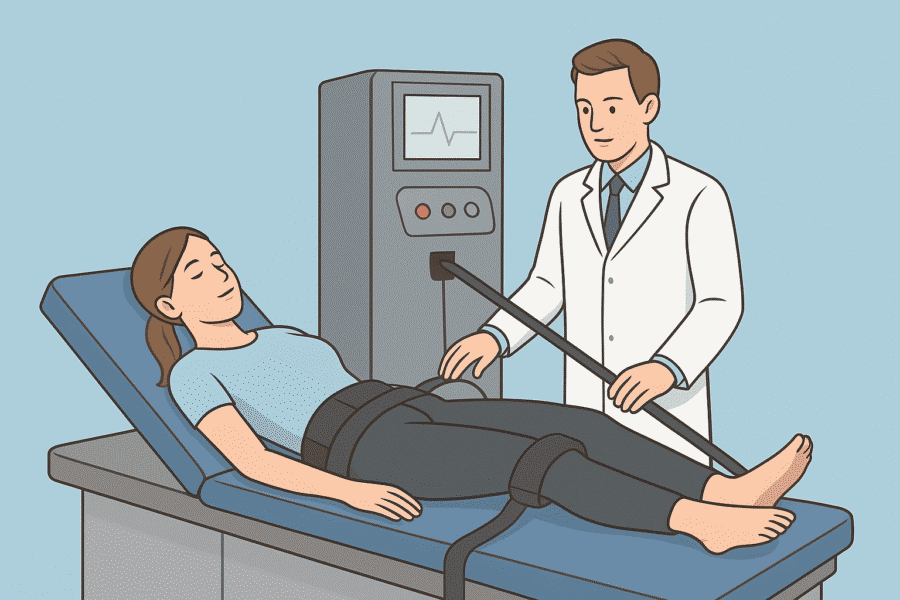
The treatment is usually performed in a clinic. During the procedure, you lie down on the machine’s table. Then, belts are strapped around your waist and torso to hold you in place. Once the machine starts, it pulls your body in a rhythmic pattern. This gentle traction relieves pressure from the spine and gives long-lasting relief.
2. Spinal Decompression Therapy vs. Traditional Traction
Although spinal decompression machines may look similar to traction devices, they are different. Traditional traction pulls the spine continuously. On the other hand, spinal decompression therapy uses advanced computer technology to apply controlled, gentle forces. Therefore, it avoids muscle spasms and allows the spine to relax.
Because of this, spinal decompression machines are considered more effective than simple traction devices. Moreover, they target the problem area in a way that traditional traction cannot achieve.
3. Conditions Treated by a Spinal Decompression Machine
A spinal decompression machine is used to treat several spine-related conditions. For example:
- Herniated or bulging discs
- Degenerative disc disease
- Sciatica
- Spinal stenosis
- Pinched nerves
- Chronic lower back pain
- Neck pain
Since these conditions are very common, spinal decompression therapy provides hope for many patients who want to avoid surgery.
4. Benefits of Using a Spinal Decompression Machine
The benefits of spinal decompression therapy are significant. Not only does it provide pain relief, but it also improves overall spinal health. Some major benefits include:
- Non-surgical alternative to back surgery
- Safe and painless treatment
- Improved spinal mobility
- Enhanced nutrient supply to discs
- Long-term relief from pain
- Improved posture and flexibility
Because it is non-invasive, many people choose spinal decompression before considering surgical options.
5. Risks and Side Effects of Spinal Decompression Therapy
Even though spinal decompression machines are generally safe, there are some risks. For instance, patients may experience mild soreness after the session. In addition, not everyone is a candidate for this therapy.
People with the following conditions should avoid spinal decompression therapy:
- Pregnant
- Patients with spinal fractures
- People with tumors
- Patients with metal implants in the spine
- Severe osteoporosis patients
As a result, it is always best to consult a doctor before starting therapy
6. Non-Surgical Spinal Decompression Machine vs. Surgical Methods
When comparing non-surgical spinal decompression therapy with surgical methods, one thing is clear. Surgery is invasive, risky, and expensive. On the other hand, a spinal decompression machine offers a safer and more affordable approach.
Because it is non-surgical, recovery is faster. Additionally, it avoids the risks of anesthesia and infections. For this reason, many patients prefer spinal decompression as their first choice.
7. Cost of Spinal Decompression Machine Therapy
The cost of spinal decompression therapy depends on several factors. For example, location, clinic reputation, and number of sessions required can affect the price. On average, each session costs between $30 to $100. Since most patients need 15–30 sessions, the total cost can range from $450 to $3000.
Although it might seem expensive, it is still much cheaper than back surgery. Moreover, the results are often long-lasting.
8. Duration and Frequency of Spinal Decompression Sessions
A typical spinal decompression session lasts around 30 to 45 minutes. Most patients require sessions three times a week for the first month. Then, the frequency reduces depending on progress. Because each patient’s condition is different, the treatment plan is customized.
Therefore, it is always necessary to follow your doctor’s advice for the best results.
9. Who Should Use a Spinal Decompression Machine?
A spinal decompression machine is ideal for patients suffering from chronic back or neck pain due to disc problems. However, not everyone qualifies. Doctors usually recommend it to those who:
- Have not responded well to other treatments
- Want to avoid surgery
- Do not have severe bone or nerve conditions
Because the treatment is safe, many middle-aged and Geriatric patients prefer it over surgery.
10. Spinal Decompression Machine for Lower Back Pain
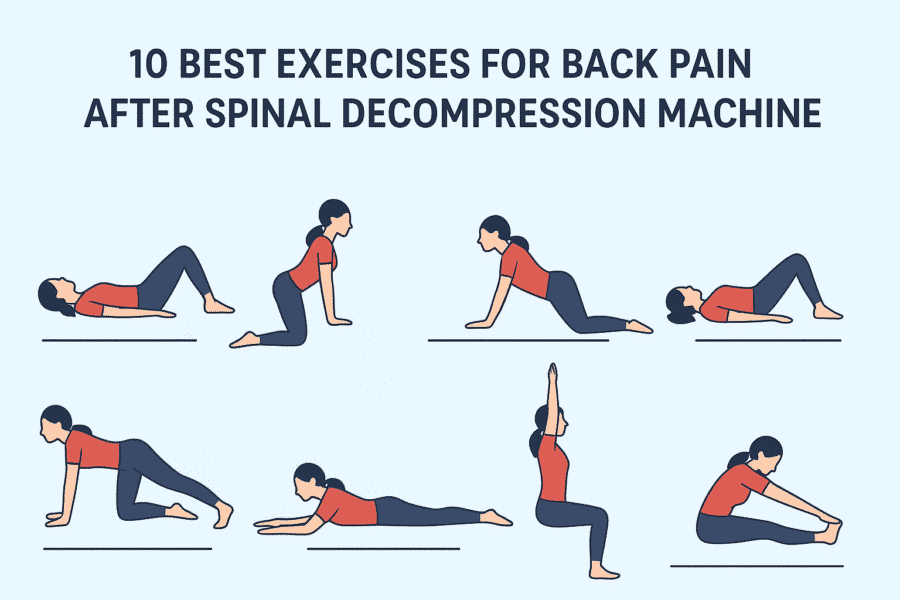
Lower back pain is one of the most common reasons people visit clinics. Fortunately, spinal decompression machines are highly effective in treating lower back pain. They relieve pressure from lumbar discs and nerves, which results in reduced pain and improved movement.
Since lower back pain can interfere with daily life, spinal decompression therapy offers a simple solution.
11. Spinal Decompression Machine for Neck Pain
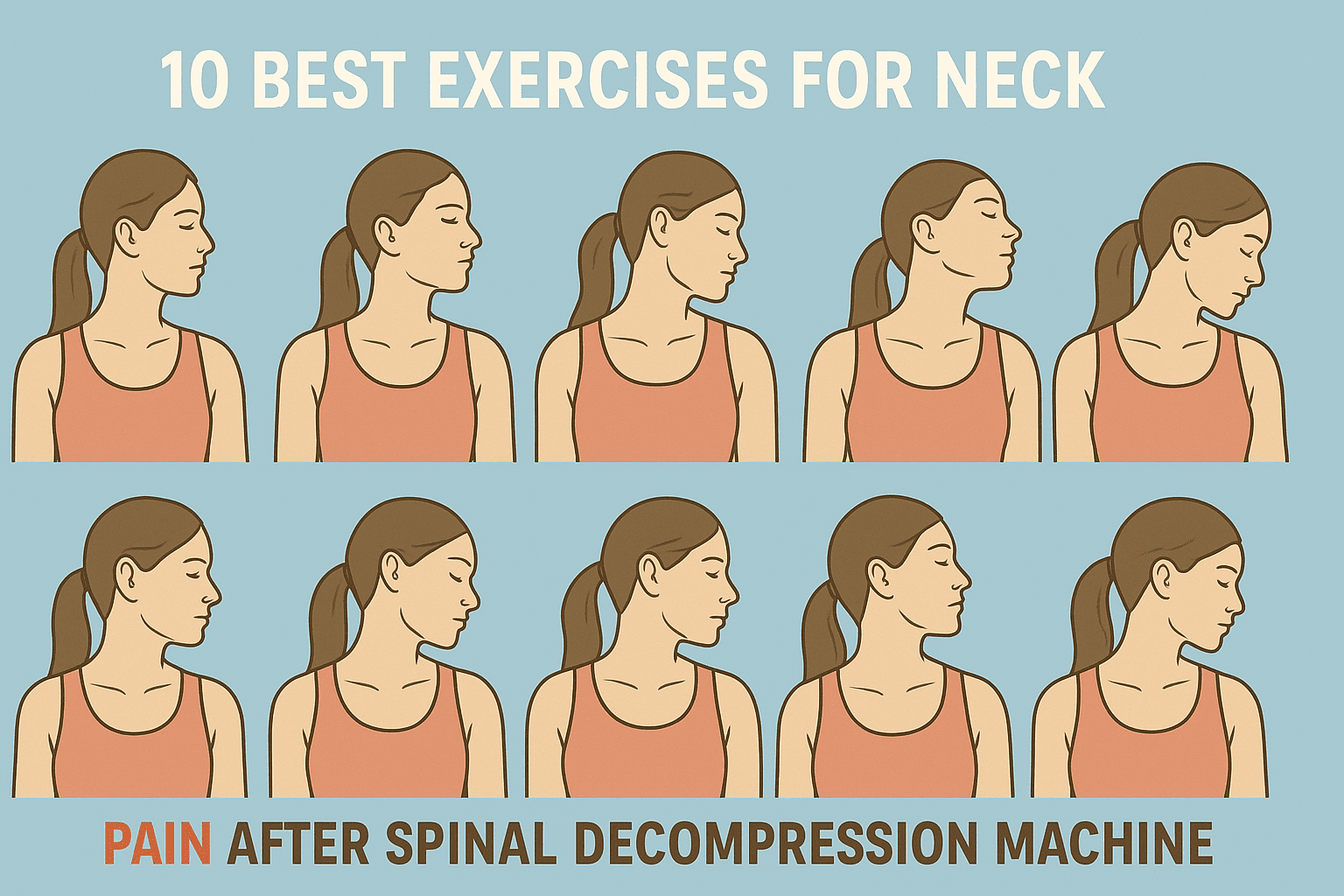
Neck pain is another common issue treated with spinal decompression therapy. The machine helps by gently stretching the cervical spine. As a result, it reduces pressure from nerves and discs in the neck. Consequently, patients experience less stiffness and more mobility.
Because neck pain is often linked with poor posture, spinal decompression helps in long-term improvement.
12. At-Home Spinal Decompression Machines
Some companies offer at-home spinal decompression machines. These are smaller, portable devices designed for personal use. However, they are less powerful compared to clinical machines. While they may help with mild back pain, they are not suitable for severe conditions.
Therefore, it is always best to consult a professional for advanced spinal decompression therapy.
13. Effectiveness of Spinal Decompression Therapy
The effectiveness of spinal decompression therapy has been proven in several studies. Many patients report significant pain reduction after just a few sessions. In addition, long-term improvements in mobility and spinal health are common.
Because of these results, spinal decompression machines are considered one of the best non-surgical treatments for back pain.
14. Choosing the Right Spinal Decompression Clinic
If you are planning to try spinal decompression therapy, choosing the right clinic is very important. Look for clinics with certified chiropractors or spine specialists. Moreover, check reviews, treatment packages, and success rates.
Since your spinal health is important, selecting a professional clinic ensures safe and effective treatment.
Q1. Is spinal decompression therapy painful?
No, spinal decompression therapy is usually painless. Most patients find it relaxing.
Q2. How long does it take to see results?
Many patients notice improvements after 5–7 sessions, although full results may take 20–30 sessions.
Q3. Can I buy a spinal decompression machine for home use?
Yes, portable machines are available, but they are not as effective as clinical devices.
Q4. Is spinal decompression therapy covered by insurance?
In many cases, insurance does not cover it. However, some policies may provide partial coverage.
Q5. Are the results of spinal decompression permanent?
Results can last for years if combined with proper exercise, posture correction, and lifestyle changes.
Final Thoughts on Spinal Decompression Machines
In conclusion, a spinal decompression machine is a revolutionary device for people struggling with back and neck pain. Since it is non-surgical, safe, and effective, it is an excellent alternative to invasive spine surgery. With benefits like improved mobility, reduced pain, and better spinal health, it has become a preferred treatment worldwide.
If you are dealing with herniated discs, sciatica, or chronic back pain, spinal decompression therapy might be the solution you are searching for. Always consult a healthcare professional before starting, and choose a reliable clinic for the best results.