
Author Bio: Dr. Ram Prakasha BPTh
Written by a Physiotherapy and Public Health professional with experience in neurological rehabilitation and health awareness. The content is intended for educational purposes only.
Introduction to Spinal Decompression Therapy
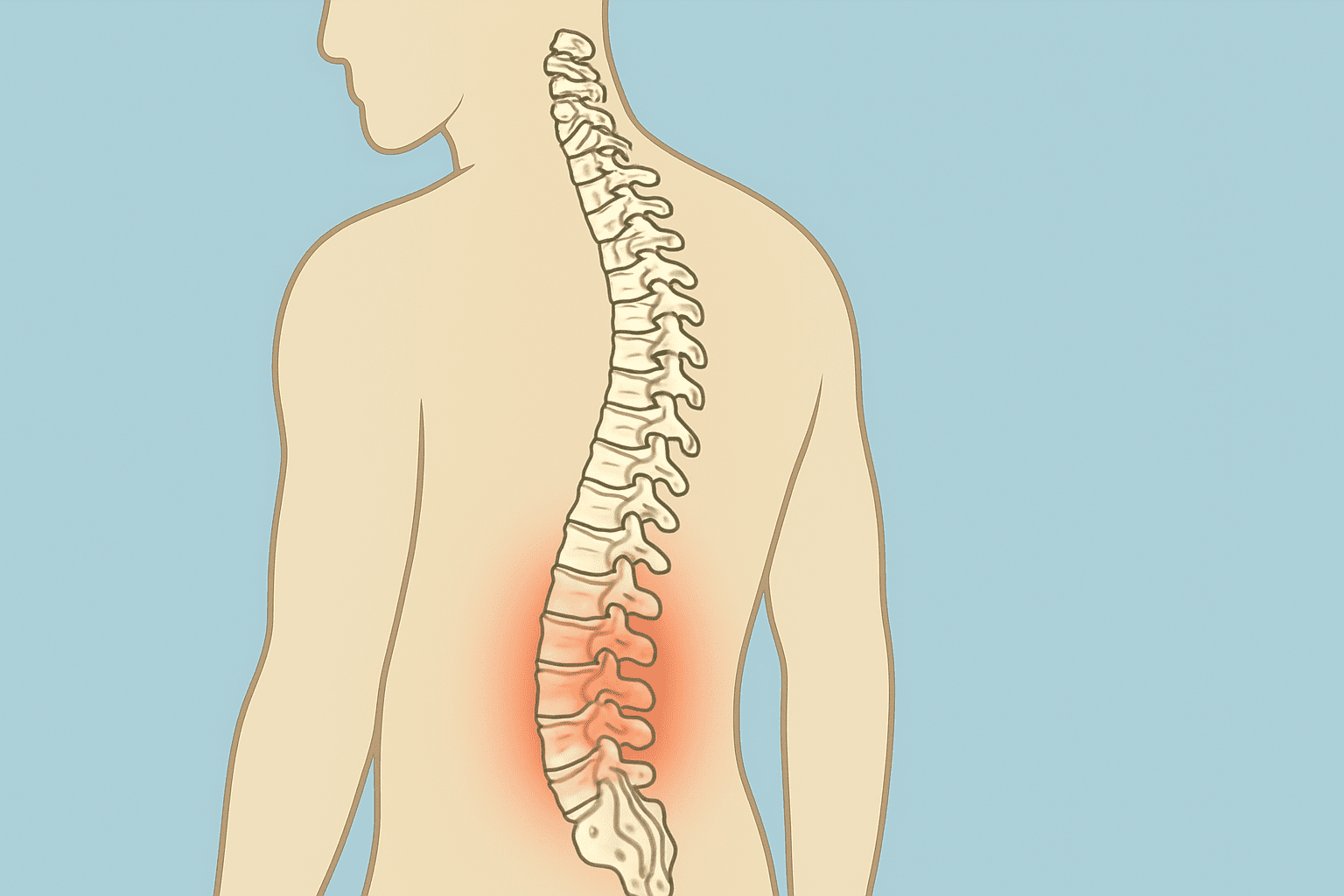
What is Spinal Decompression: Treatment Spinal decompression is a therapeutic technique designed to relieve pressure on the spinal discs and nerves. Because the spine carries the weight of the entire body, it often experiences stress, wear, and injury. Consequently, individuals may suffer from back pain, herniated discs, sciatica, or degenerative disc disease. Therefore, spinal decompression has become an effective option for patients seeking non-surgical or surgical relief.
- How the Brain Links Sensory Input, Movement, and Thinking
- Why Exercise Is Essential for Restoring Fitness After GLP-1-Based Weight Loss
- Physiotherapy for Back Pain: Best Exercises & Tips for Long-Term Relief
- Why Is My Child Not Sitting/Standing/Walking ? A Complete Guide for Parents
- How Pediatric Physiotherapy Helps Delayed Milestones
Understanding Spinal Decompression Treatment
Spinal decompression treatment refers to a method that gently stretches the spine. As a result, pressure within the spinal discs decreases. Moreover, nutrients, oxygen, and fluids flow back into the discs, which encourages healing. Since this process targets the root cause of pain, it offers more than temporary relief. In fact, many patients experience long-term improvement after consistent therapy.
Types of Spinal Decompression Techniques
When exploring spinal decompression, patients often discover that there are two main categories: non-surgical and surgical. Because each approach serves different needs, it is important to understand them clearly.
Non-Surgical Spinal Decompression Therapy
Non-surgical spinal decompression therapy uses a specialized traction table. During the session, patients lie comfortably while the device gently stretches the spine. Consequently, pressure on the nerves and discs decreases. In addition, non-surgical therapy is considered safe, painless, and effective for many conditions.
Surgical Spinal Decompression Procedures
In some cases, surgery becomes necessary. Surgical spinal decompression may involve laminectomy, discectomy, or foraminotomy. Each procedure is designed to relieve nerve compression. Although surgery carries higher risks, it provides immediate relief when conservative treatments fail. Therefore, surgical decompression remains a vital option for severe spinal conditions.
Benefits of Spinal Decompression Therapy
Because back pain affects millions worldwide, spinal decompression provides numerous advantages.
- Pain Relief – Patients often notice reduced back and neck pain.
- Improved Mobility – Stretching helps restore normal movement.
- Disc Healing – Nutrient exchange supports disc repair.
- Non-Invasive Approach – Non-surgical therapy avoids risks of surgery.
- Long-Term Results – Consistent sessions promote sustained relief.
Therefore, many doctors recommend spinal decompression as part of a holistic treatment plan.
Conditions Treated by Spinal Decompression
Spinal decompression is widely recommended for various spinal issues. Because of its ability to relieve pressure, it helps patients with:
- Herniated discs
- Bulging discs
- Degenerative disc disease
- Sciatica
- Spinal stenosis
- Pinched nerves
Since these conditions often cause severe pain, decompression provides hope for long-lasting comfort.
Risks and Limitations of Spinal Decompression Therapy
Although spinal decompression is generally safe, patients must understand its limitations. For example, individuals with fractures, advanced osteoporosis, or metal implants may not be eligible. Additionally, some patients may feel mild soreness after sessions. However, these side effects are usually temporary. Because of this, consulting a healthcare professional is essential before beginning treatment.
How Spinal Decompression Therapy Works
Spinal decompression works through mechanical traction. Specifically, it alternates between stretching and relaxation cycles. Consequently, intradiscal pressure reduces, creating negative pressure inside the disc. This negative pressure pulls herniated or bulging material back into place. Moreover, circulation improves, which helps repair damaged tissue.
Spinal Decompression vs. Traditional Traction
Although spinal decompression is similar to traction, it is more advanced. Traditional traction pulls the spine in one direction, whereas decompression uses computer-controlled cycles. As a result, decompression is more precise, comfortable, and effective. Therefore, many specialists prefer decompression for long-term results.
Cost and Accessibility of Spinal Decompression Therapy
Spinal decompression costs vary depending on the clinic and region. While non-surgical therapy sessions may range from moderate to affordable prices, surgical procedures are more expensive. Nevertheless, many patients consider it a worthwhile investment because it improves quality of life.
Lifestyle Support Alongside Spinal Decompression
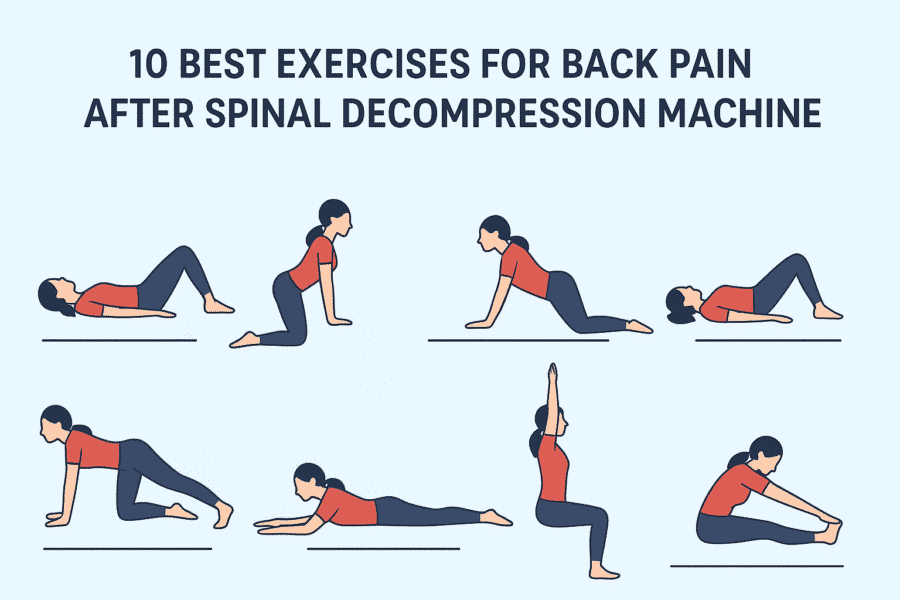
Because spinal health depends on daily habits, lifestyle changes are essential. For instance, patients should practice good posture, engage in regular exercise, and maintain a healthy weight. Additionally, stretching, yoga, and core-strengthening exercises complement decompression therapy. Therefore, adopting supportive habits enhances long-term results.
Spinal Decompression in Sports and Rehabilitation
Athletes often use spinal decompression as part of their recovery programs. Because high-impact sports place immense strain on the spine, decompression helps reduce injuries and improve healing. Moreover, rehabilitation centers include it to accelerate patient recovery after accidents or surgeries. Consequently, spinal decompression proves useful beyond pain management.
Success Rate of Spinal Decompression Therapy
Studies suggest that many patients experience significant improvement after spinal decompression therapy. Because it directly addresses disc and nerve issues, results can be long-lasting. However, success also depends on patient commitment, severity of the condition, and lifestyle. Therefore, consistency remains key.
Choosing Between Non-Surgical and Surgical Spinal Decompression
When deciding between non-surgical and surgical spinal decompression, patients must evaluate their condition. If conservative treatments still manage symptoms, non-surgical decompression is ideal. However, when pain persists or neurological issues worsen, surgery may be necessary. Because both approaches aim to relieve spinal pressure, the choice depends on individual circumstances.
FAQs About Spinal Decompression Therapy
Q1: What is spinal decompression therapy?
Spinal decompression therapy is a treatment that relieves pressure on spinal discs and nerves through stretching or surgery.
Q2: How long does non-surgical spinal decompression take?
Each session lasts around 30 to 45 minutes, and patients may require 20 to 30 sessions over several weeks.
Q3: Is spinal decompression safe for everyone?
Although safe for most patients, it is not recommended for those with fractures, tumors, advanced osteoporosis, or pregnant people.
Q4: Does spinal decompression hurt?
Non-surgical decompression is painless and often relaxing. Surgical procedures involve discomfort, but recovery brings relief.
Q5: How effective is spinal decompression therapy?
Effectiveness varies, but many patients experience long-term pain relief and improved spinal health.
Conclusion: Why Spinal Decompression Matters
Spinal decompression offers a promising solution for individuals suffering from back pain, disc problems, and nerve compression. Because it addresses the root cause, it provides long-term benefits. Moreover, patients can choose between non-surgical and surgical methods depending on their condition. Therefore, spinal decompression remains one of the most reliable treatments for maintaining spinal health and restoring quality of life.