
Writer@healingwithramIntroduction
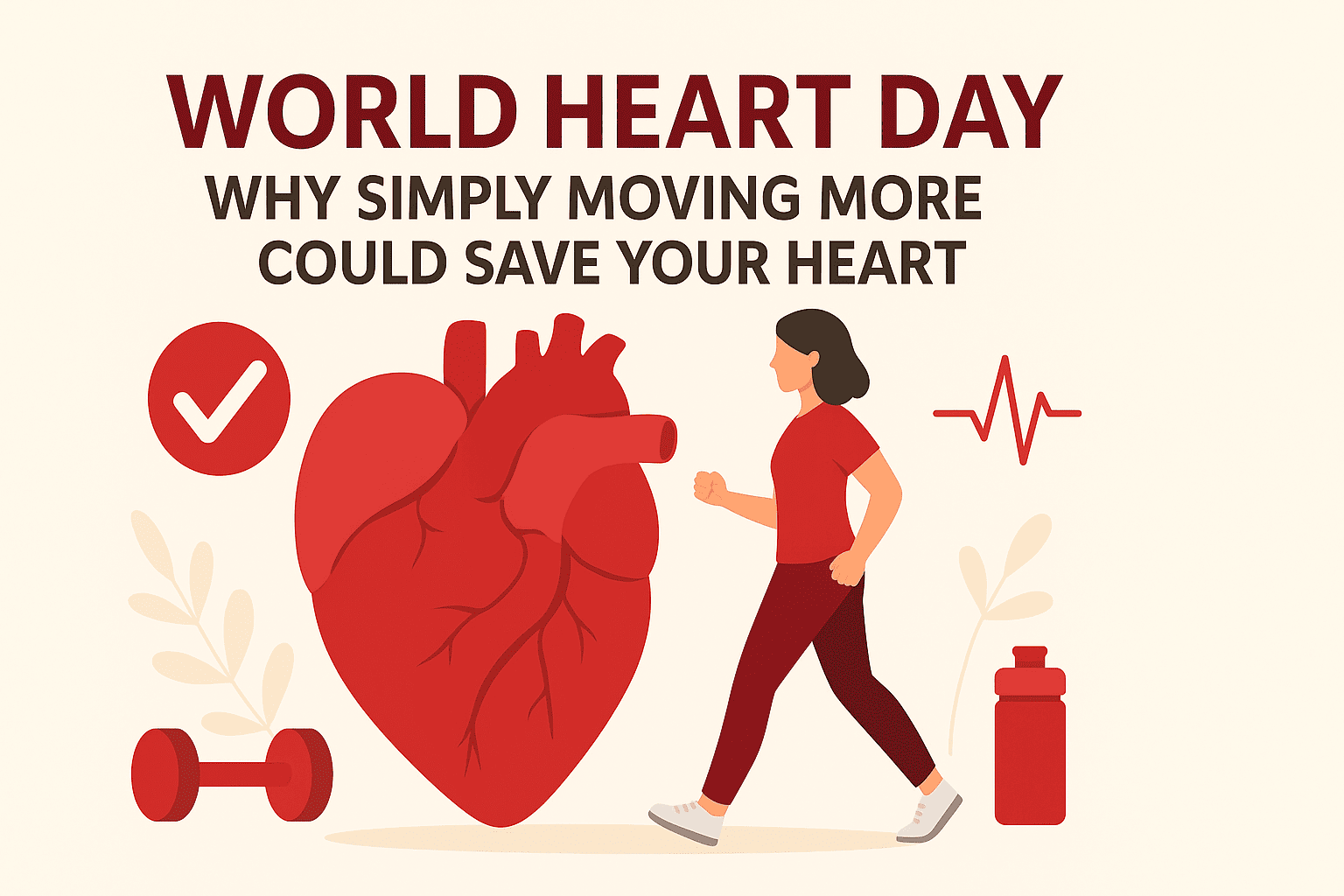
Every year, the World Heart Day reminder: why simply moving more could save your heart becomes more relevant because millions of people continue to suffer from cardiovascular diseases. Although modern medicine provides advanced treatment options, prevention remains the most effective solution. Therefore, daily movement and physical activity can make a life-changing difference. Additionally, a regular reminder of how simple lifestyle choices can protect the heart keeps awareness alive.
Daily Activity and World Heart Day Reminder
When the World Heart Day reminder: why simply moving more could save your heart is emphasized, it underlines how even short walks or light stretches improve circulation. Moreover, consistent movement reduces high blood pressure, lowers cholesterol levels, and decreases stress. Consequently, individuals who adopt daily activity develop stronger heart muscles and improved endurance.
Physical Exercise for Heart Protection
Since the heart functions as the body’s engine, it requires regular care. As a result, physical exercise for heart protection becomes a necessity rather than an option. In addition, scientific studies confirm that those who engage in moderate exercise for at least 30 minutes daily reduce their risk of stroke and heart attack by almost 35%. Therefore, integrating activities such as brisk walking, swimming, or cycling ensures better long-term heart protection.
Healthy Lifestyle Changes for the Heart
Another crucial lesson from the World Heart Day reminder is the significance of adopting healthy lifestyle changes for the heart. While exercise plays a primary role, nutrition, hydration, and sleep cannot be ignored. Furthermore, small adjustments like reducing salt intake, quitting smoking, and staying hydrated support the body’s natural rhythm. Thus, lifestyle changes combined with daily movement form the perfect shield against cardiovascular issues.
Walking Benefits for Heart Health
Undoubtedly, one of the simplest forms of exercise is walking. Accordingly, walking benefits for heart health are widely recognized. For instance, regular walking helps regulate blood sugar, manage body weight, and strengthen bones. Additionally, it requires no equipment, can be done almost anywhere, and fits easily into busy schedules. Therefore, consistent walking practice can transform overall heart health.
World Heart Day Awareness Activities
In connection with the World Heart Day reminder, organizations worldwide arrange World Heart Day awareness activities. These events include free health screenings, fitness workshops, and community walks. Moreover, such initiatives encourage individuals to move more and understand the real risks of neglecting their heart. Consequently, awareness events push society towards healthier habits collectively.
Sedentary Lifestyle Dangers for the Heart
Unfortunately, modern lifestyles are dominated by long hours of sitting. Hence, sedentary lifestyle dangers for the heart cannot be overlooked. In addition, prolonged inactivity increases the risk of obesity, hypertension, and blocked arteries. Because of this, experts recommend standing up every 30 minutes, stretching, or walking short distances during work hours. Thus, even minor breaks in sitting patterns provide major protection for the heart.
Stress Management and Heart Health
Equally important, the World Heart Day reminder highlights stress management and heart health. Chronic stress triggers hormonal imbalances, which lead to higher blood pressure and an increased risk of heart disease. Therefore, meditation, yoga, and deep breathing techniques become valuable tools for reducing stress. Furthermore, pairing stress management with physical movement ensures a stronger, healthier heart.
Nutrition Tips for a Stronger Heart
While physical activity is essential, food choices cannot be ignored. Accordingly, nutrition tips for a stronger heart include eating more whole grains, leafy vegetables, fruits, lean proteins, and healthy fats. Moreover, avoiding processed foods, added sugars, and excessive caffeine can reduce cardiovascular strain. Consequently, balanced nutrition supports exercise efforts and multiplies the benefits of movement.
Heart Disease Prevention Through Exercise
One of the clearest lessons from the World Heart Day reminder: why simply moving more could save your heart is that heart disease prevention through exercise remains the most affordable and sustainable strategy. Moreover, engaging in aerobic exercises such as jogging or cycling builds cardiovascular endurance. As a result, individuals not only reduce risks but also enjoy more energy, sharper focus, and improved mood.
World Heart Day Message on Physical Activity
Another key lesson comes directly from the World Heart Day message on physical activity. Global health organizations consistently advise at least 150 minutes of moderate activity per week. Additionally, this level of movement significantly decreases the likelihood of heart attacks. Therefore, spreading this reminder ensures people recognize that saving their heart does not require expensive gyms, but simple dedication to regular movement.
Heart-Friendly Exercises for Everyday Life
Practical solutions often work best. Hence, integrating heart-friendly exercises for everyday life makes movement natural and effortless. For example, taking the stairs instead of elevators, doing household chores with more energy, or cycling to work all count as cardiovascular activity. Furthermore, these small adjustments accumulate over time, proving that ordinary movement can lead to extraordinary results.
Importance of Hydration for Heart Function
Besides exercise, the importance of hydration for heart function must be remembered. Since the body is composed mainly of water, dehydration causes blood to thicken and forces the heart to pump harder. Consequently, adequate hydration reduces the workload of the heart. Therefore, carrying a water bottle and sipping throughout the day supports the effectiveness of physical activity.
Sleep and Recovery for Heart Health
Equally essential, sleep and recovery for heart health play a role in maximizing the benefits of physical activity. During deep sleep, the body repairs tissues and balances hormones. Moreover, lack of quality sleep increases risks of hypertension and irregular heart rhythms. Thus, maintaining a consistent sleep schedule of 7 to 8 hours directly supports heart function.
Long-Term Benefits of Movement for the Heart
Finally, the long-term benefits of movement for the heart demonstrate how consistency creates lasting protection. Although results may not appear overnight, those who embrace daily exercise witness improved cholesterol levels, stronger immunity, and lower risks of diabetes. Furthermore, the aging process slows down, allowing individuals to remain active and independent for longer. Therefore, World Heart Day serves as a timeless reminder of how valuable simple movement is.
Frequently Asked Questions (FAQs)
Q1: Why is World Heart Day important?
World Heart Day is important because it raises global awareness about heart disease prevention and encourages healthier lifestyles.
Q2: Can walking alone save my heart?
Yes, walking regularly can significantly reduce heart disease risk, improve circulation, and strengthen cardiovascular muscles.
Q3: How much daily movement is enough for heart health?
At least 30 minutes of moderate activity, such as brisk walking, five days a week is recommended for maintaining heart health.
Q4: What foods support heart health best?
Foods like whole grains, green vegetables, fruits, nuts, lean proteins, and healthy fats support cardiovascular health effectively.
Q5: Does stress affect heart function directly?
Yes, chronic stress increases blood pressure and hormonal imbalance, which negatively impacts heart health.
Conclusion
In conclusion, the World Heart Day reminder: why simply moving more could save your heart is a powerful call for action. While technology and modern conveniences often lead to inactivity, even the simplest movements can protect against life-threatening diseases. Moreover, adopting healthy habits in diet, sleep, stress management, and hydration enhances the benefits of exercise. Therefore, each step you take today could save your heart tomorrow.
All Medical content is based on verified sources such as ICMR, AIIMS, and MoHFW India

