Introduction
When it comes to supporting children with autism, every parent wants to provide the best care possible. However, it is not always possible to visit therapy centers regularly due to time, financial, or geographical limitations. Therefore, many families search for the best autism therapy for home so that they can help their child improve communication, social skills, and behavior while remaining in a comfortable environment. In fact, home-based therapy provides flexibility, consistency, and personalized attention that can enhance progress.
In this blog post, you will learn about different therapy options, practical strategies, and easy-to-follow activities that parents can use at home. Additionally, you will discover why home-based interventions are highly effective and how they complement professional therapy sessions.
Why Home-Based Therapy Matters
First of all, home is a safe and familiar place where children with autism feel more comfortable. Because of this comfort, they are more likely to respond positively to learning and practice. Moreover, parents can integrate therapy techniques into daily routines such as mealtime, playtime, and bedtime. As a result, children experience continuous reinforcement, which is vital for long-term success.
Another important benefit is consistency. Since therapy is not limited to scheduled clinic visits, parents can practice skills every day. In addition, it creates strong parent-child bonding because parents are directly involved in their child’s development.
Key Principles of Home-Based Autism Therapy
In order to implement the best autism therapy for home, parents should understand some essential principles:
- Consistency is crucial – Skills must be practiced daily to ensure progress.
- Positive reinforcement works best – Rewarding efforts and achievements motivates children.
- Small steps bring big results – Breaking tasks into smaller parts makes learning easier.
- Structure and routine are important – A predictable environment reduces stress.
- Patience is key – Progress may be slow, but every milestone counts.
Types of Home-Based Autism Therapy
1. Applied Behavior Analysis (ABA) at Home
Applied Behavior Analysis is one of the most widely used therapies for autism. Fortunately, many ABA strategies can be applied at home. Parents can teach skills step by step, use positive reinforcement, and reduce unwanted behaviors. For example, if a child learns to ask for water, the parent can reward them with praise or a small treat. Over time, this encourages communication and reduces frustration.
2. Speech and Language Therapy at Home
Speech therapy is another essential part of autism care. Parents can use picture cards, simple apps, or even household items to encourage communication. For instance, pointing to an apple and saying “apple” while encouraging the child to repeat helps build vocabulary. Singing songs, reading books aloud, and practicing gestures also improve language development.
3. Occupational Therapy at Home
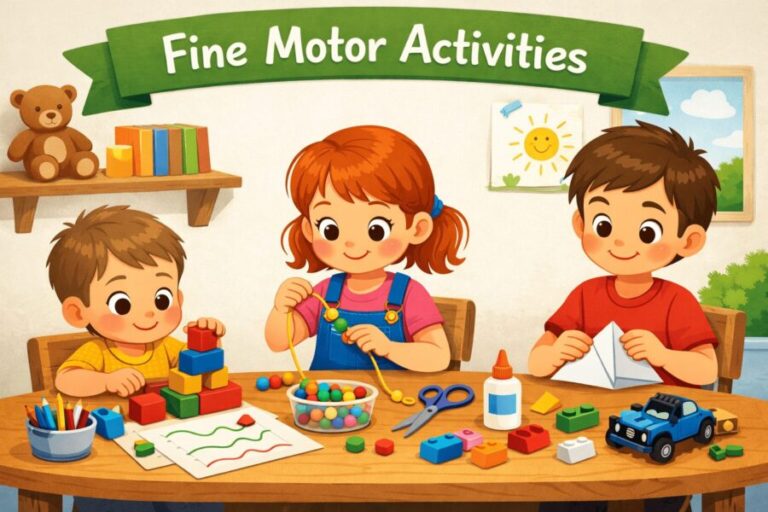
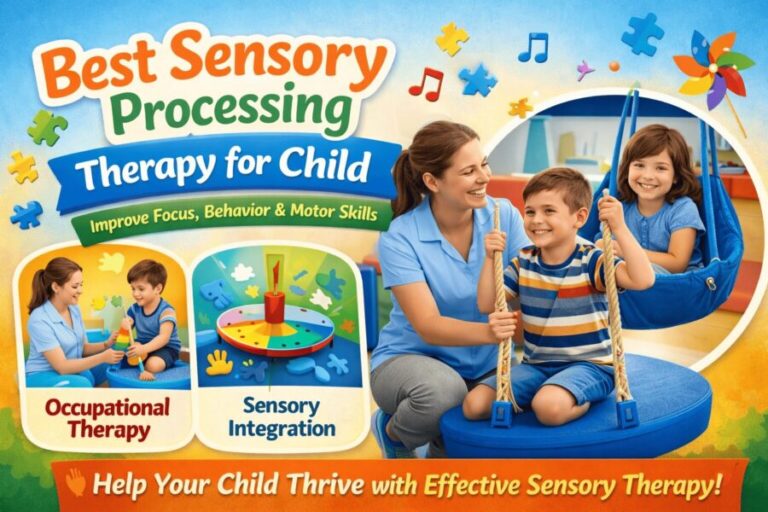
Occupational therapy focuses on fine motor skills, sensory regulation, and daily activities. At home, parents can provide tasks like drawing, buttoning clothes, or stacking blocks. Additionally, sensory-friendly play such as playing with clay, rice bins, or water beads helps regulate emotions and improves concentration.
4. Social Skills Training at Home
Children with autism often struggle with social interaction. Parents can create simple role-play games such as pretending to buy something from a store or greeting someone. Moreover, arranging playdates with siblings or peers in a controlled environment can enhance social learning.
5. Cognitive Behavioral Therapy (CBT) Techniques at Home
Although professional guidance is recommended, parents can practice basic CBT techniques at home. For instance, helping a child recognize emotions using picture charts or teaching relaxation exercises like deep breathing can reduce anxiety. This is particularly useful for older children who can understand emotions better.
6. Play Therapy at Home
Play therapy is a natural way for children to express themselves. Simple activities like drawing, pretend play, and puzzle-solving can help children build communication and problem-solving skills. Because play feels fun rather than forced, it is often more effective in encouraging participation.
Practical Home Therapy Activities
In order to make therapy effective, parents should include activities in daily routines. Some examples include:
- Communication Games: Use flashcards, picture books, or apps to teach new words.
- Sensory Play: Allow children to play with textured materials like sand, beans, or sponges.
- Music and Movement: Singing, dancing, or clapping games improve coordination and language.
- Storytelling: Reading bedtime stories encourages listening and comprehension.
- Life Skills Practice: Teach brushing teeth, dressing, or setting the table step by step.
Because these activities are simple, they can be repeated daily and adjusted according to the child’s needs.
How Parents Can Support Therapy at Home
Parents play the most important role in home-based autism therapy. With the right strategies, they can make learning enjoyable. Here are some useful tips:
- Create a schedule – Use visual charts to help children understand routines.
- Use clear instructions – Simple and direct language works best.
- Celebrate achievements – Even small progress deserves recognition.
- Stay patient and calm – Children sense emotions, so a positive attitude helps.
- Collaborate with professionals – Regularly communicate with therapists for guidance.
By following these steps, parents can successfully provide the best autism therapy for home.
Benefits of Home-Based Autism Therapy
When parents apply therapy at home, several benefits appear over time:
- Improved communication skills.
- Better social interactions.
- Increased independence in daily tasks.
- Reduced behavioral challenges.
- Stronger parent-child bonding.
Moreover, children experience less pressure in familiar surroundings, which boosts confidence and motivation.
Challenges of Home-Based Therapy
Although home therapy has many advantages, it also comes with challenges. Parents may feel overwhelmed, and progress may seem slow at times. In addition, children may resist structured activities or show frustration. However, these challenges can be managed with professional guidance, patience, and creative strategies.
Combining Home Therapy with Professional Support
It is important to remember that home therapy should complement professional treatment, not replace it. Parents should consult therapists regularly to ensure that activities at home align with the child’s therapy plan. Because collaboration ensures consistency, children benefit from a holistic approach.
FAQs about Best Autism Therapy for Home
Q1. What is the best autism therapy for home?
The best autism therapy for home combines ABA techniques, speech and language exercises, occupational therapy activities, and social skills practice. A mix of these methods works best depending on the child’s needs.
Q2. Can parents do autism therapy at home without training?
Yes, parents can implement simple strategies with proper guidance from therapists. Many activities like reading, role-playing, or sensory play do not require formal training. However, professional advice ensures correct methods.
Q3. How many hours should home-based therapy be done daily?
There is no fixed rule, but consistency is more important than long hours. Practicing therapy skills for 1–2 hours daily, spread throughout different activities, can make a big difference.
Q4. Is home therapy effective for non-verbal children?
Yes, home therapy is very effective for non-verbal children. Parents can use picture exchange systems, gestures, and assistive communication devices to improve interaction.
Q5. Should home therapy replace professional therapy?
No, home therapy should not replace professional therapy. Instead, it should complement professional guidance to maximize progress.
Conclusion
In conclusion, the best autism therapy for home is not a single method but rather a combination of different approaches tailored to the child’s needs. Applied Behavior Analysis, speech therapy, occupational therapy, play therapy, and social skills training can all be successfully practiced at home. With patience, consistency, and love, parents can play a powerful role in their child’s development.
Because home is a safe, familiar, and comfortable environment, it provides the perfect opportunity to reinforce learning every day. Therefore, when parents actively participate in therapy, children with autism gain confidence, independence, and essential life skills.