

Dr,R.P.Prajapati BPTh CSMPT (Neuro )- Pediatrics/Geriatrics Physical Therapist
Overview
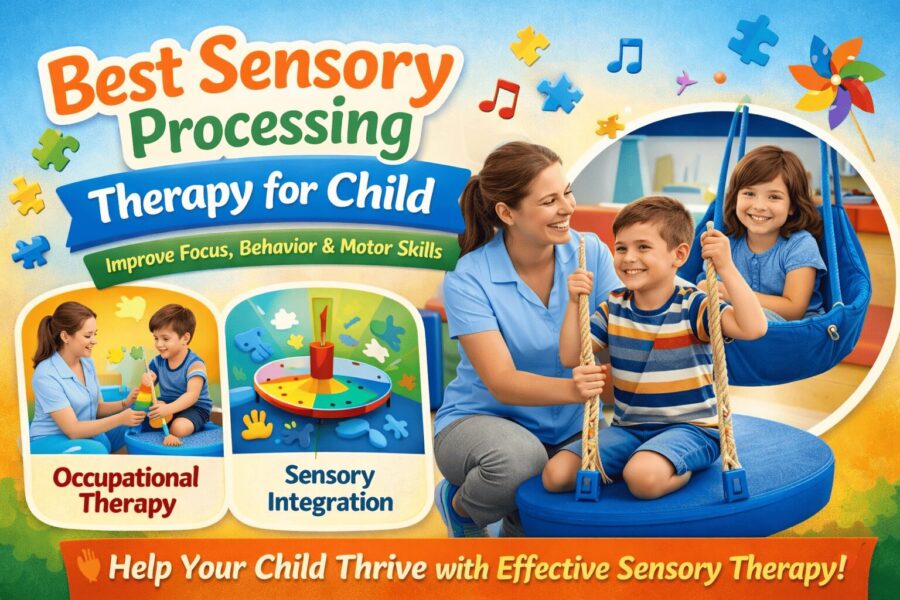
Best Sensory Processing Therapy for Child: A Complete Parent’s Guide-Sensory challenges can affect how a child sees, hears, feels, and responds to the world. Therefore, when a child struggles with loud sounds, bright lights, certain textures, or body coordination, parents often feel confused and worried. However, the good news is that the best sensory processing therapy for children can make a significant difference in daily life.
Moreover, early support helps children develop better emotional control, improved focus, and stronger motor skills. In this comprehensive guide, you will understand sensory processing disorder, therapy options, benefits, and how to choose the best sensory processing therapy for children in a practical and effective way.
Understanding Sensory Processing in Children
Sensory processing refers to how the brain receives, organizes, and responds to information from the senses. Specifically, children use their senses—touch, sight, sound, taste, smell, movement, and body awareness—to interact with their environment.
However, when the brain has difficulty processing this information correctly, the child may overreact or underreact to sensory input. Consequently, this condition is commonly known as Sensory Processing Disorder (SPD).
Common Signs of Sensory Processing Challenges
- Therefore, sensitivity to loud noises or bright lights
- Moreover, difficulty with certain clothing textures
- In addition, avoiding touch or constantly seeking movement
- Furthermore, trouble sitting still or focusing
- Likewise, delayed motor coordination
- As a result, emotional outbursts triggered by sensory overload
Thus, recognizing these signs early allows parents to seek the best sensory processing therapy for their child at the right time.
Why Early Therapy Matters
Early intervention is extremely important. First of all, the brain has high neuroplasticity during childhood. Therefore, it adapts and learns new responses more easily.
Additionally, children who receive the best sensory processing therapy for child show improvements in:
- Emotional regulation
- Social interaction
- Classroom behavior
- Motor coordination
- Self-confidence
Consequently, therapy does not just address sensory issues but supports overall development.
Types of Best Sensory Processing Therapy for Child
Now, let us explore the most effective therapy approaches available.
1. Occupational Therapy (OT)
Occupational therapy is widely considered the best sensory processing therapy for child. Specifically, trained occupational therapists use structured sensory activities to help children respond appropriately to sensory input.
How It Works
- First, the therapist assesses the child’s sensory profile.
- Then, personalized therapy sessions are designed.
- After that, structured play activities are introduced.
- Finally, progress is tracked and adjusted accordingly.
Common OT Techniques
- Therefore, swinging and balancing exercises
- Moreover, deep pressure therapy
- In addition, tactile play with sand or clay
- Furthermore, brushing protocols
- Likewise, weighted blankets
As a result, occupational therapy improves sensory regulation gradually and safely.
2. Sensory Integration Therapy
Sensory integration therapy is a specialized form of occupational therapy. In particular, it focuses on helping the brain organize sensory input more effectively.
Benefits
- Therefore, improved balance and coordination
- Moreover, better attention span
- In addition, reduced anxiety
- Furthermore, smoother transitions between activities
Thus, many professionals recommend this approach as the best sensory processing therapy for children when sensory challenges are moderate to severe.
3. Speech and Sensory-Based Communication Therapy
Sometimes, sensory challenges affect communication. Therefore, speech therapists incorporate sensory strategies to improve language and social skills.
For example:
- Oral sensory exercises
- Breathing techniques
- Rhythmic speaking patterns
Consequently, combining speech therapy with sensory therapy provides comprehensive support.
4. Physical Therapy for Motor Sensory Issues
When sensory issues affect body coordination, physical therapy becomes helpful.
Specifically, physical therapists focus on:
- Balance training
- Core strengthening
- Postural control
- Movement planning
Therefore, physical therapy can complement the best sensory processing therapy for child effectively.
5. Home-Based Sensory Therapy
In addition to clinical sessions, home-based therapy plays a vital role. Parents can support progress through structured activities.
Easy Home Activities
- Therefore, sensory bins with rice or beans
- Moreover, trampoline jumping
- In addition, yoga for kids
- Furthermore, brushing therapy (under professional guidance)
- Likewise, calming music sessions
Thus, consistent home routines strengthen the results of the best sensory processing therapy for child.
Choosing the Best Sensory Processing Therapy for Child
Selecting the right therapy requires careful evaluation. Therefore, consider the following factors:
1. Professional Assessment
First and foremost, seek evaluation from a licensed occupational therapist.
2. Individualized Therapy Plan
Secondly, ensure therapy is customized.
3. Child-Friendly Environment
Additionally, the clinic should feel safe and welcoming.
4. Parent Involvement
Furthermore, therapists should guide parents on home exercises.
5. Progress Monitoring
Finally, therapy should include measurable goals.
Consequently, these steps help parents choose the best sensory processing therapy for child confidently.
Benefits of the Best Sensory Processing Therapy for Child
The right therapy approach offers multiple long-term benefits.
- Therefore, improved emotional stability
- Moreover, better academic performance
- In addition, enhanced fine and gross motor skills
- Furthermore, stronger social relationships
- Likewise, increased independence
Thus, therapy positively impacts the child’s future.
When to Seek Help
Parents should consider professional support if:
- Therefore, meltdowns are frequent
- Moreover, daily activities become challenging
- In addition, school complaints increase
- Furthermore, the child avoids social interaction
Early consultation ensures better outcomes with the best sensory processing therapy for child.
Myths About Sensory Processing Therapy
Myth 1: Children Will Outgrow It
However, without therapy, challenges may persist.
Myth 2: It Is Just Behavioral
In reality, sensory processing issues are neurological.
Myth 3: Therapy Is Only for Autism
Although many autistic children benefit, sensory challenges can occur independently.
Therefore, understanding these facts helps parents make informed decisions.
Creating a Sensory-Friendly Lifestyle
Besides therapy sessions, daily lifestyle adjustments help significantly.
- Therefore, maintain consistent routines
- Moreover, reduce sensory triggers at home
- In addition, provide quiet spaces
- Furthermore, encourage outdoor play
- Likewise, practice mindfulness exercises
Thus, combining therapy with lifestyle support maximizes improvement.
Long-Term Outlook
Fortunately, with early and consistent intervention, many children show remarkable progress.
Over time:
- Therefore, sensory responses become balanced
- Moreover, academic performance improves
- In addition, social confidence increases
- Furthermore, independence strengthens
Consequently, the best sensory processing therapy for child builds lifelong coping skills.
Conclusion
In summary, sensory challenges can affect every aspect of a child’s life. However, early recognition and professional support make a significant difference.
Occupational therapy, sensory integration therapy, speech therapy, physical therapy, and home-based activities all contribute to improvement. Therefore, choosing the best sensory processing therapy for child requires professional guidance, individualized plans, and consistent practice.
Ultimately, with the right therapy and parental support, children can develop better regulation, stronger skills, and greater confidence in navigating their world.