Sleep plays a crucial role in our overall health, but its connection with brain health is often underestimated. In fact, growing research shows a direct link between sleep loss and dementia risk. While many people dismiss a poor night’s rest as harmless, consistent sleep deprivation may set the stage for long-term cognitive decline. Because dementia is one of the most pressing global health concerns, understanding the role of sleep in brain health has become more important than ever.
In this article, we will explore how lack of sleep impacts memory, brain function, and dementia risk. We will also discuss lifestyle changes, scientific evidence, and practical strategies to protect your brain health.
Why Sleep Matters for Brain Health
First, it is essential to understand why sleep is more than just rest. During deep sleep, the brain clears toxic proteins, consolidates memories, and repairs cellular damage. Moreover, sleep regulates hormones, strengthens the immune system, and maintains emotional balance. Without sufficient sleep, these functions are disrupted.
As a result, poor sleep not only affects energy levels and mood but also increases the likelihood of long-term brain damage. Therefore, the connection between sleep loss and dementia risk becomes clearer when we recognize that the brain depends on sleep for essential maintenance.
How Sleep Loss Affects the Brain
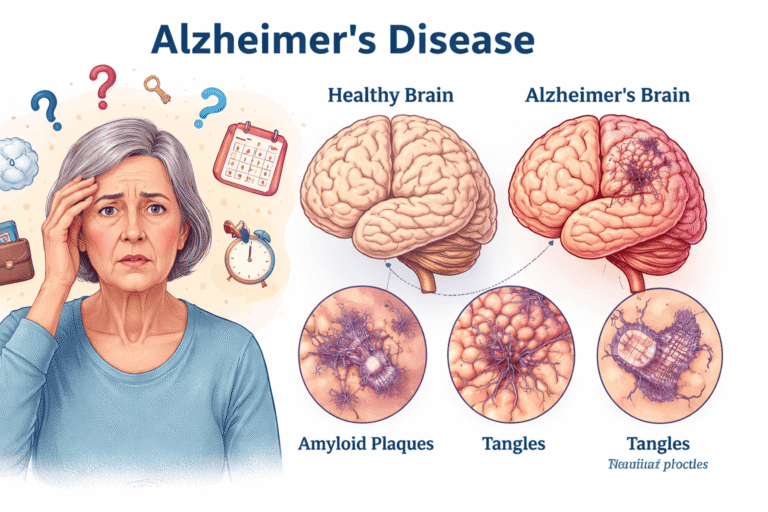
To begin with, let us examine how inadequate sleep impacts the brain. Scientific studies reveal that chronic sleep deprivation leads to the accumulation of beta-amyloid proteins. Because these proteins are toxic to brain cells, they are strongly associated with Alzheimer’s disease.
Additionally, sleep deprivation reduces the brain’s ability to form new connections, weakening memory and learning. Furthermore, long-term lack of sleep contributes to shrinking brain volume, particularly in areas responsible for memory and reasoning.
Consequently, it is evident that persistent sleep loss triggers processes that accelerate cognitive decline, which in turn heightens dementia risk.
The Link Between Sleep Disorders and Dementia
In addition to general sleep deprivation, sleep disorders also play a role in brain health. Conditions such as insomnia, sleep apnea, and restless legs syndrome are strongly associated with dementia development.
For instance, obstructive sleep apnea reduces oxygen supply to the brain, which results in oxidative stress and neuron damage. Similarly, chronic insomnia increases stress hormones, which impair memory and attention. Because these disorders are common and often overlooked, they silently contribute to the relationship between sleep loss and dementia risk.
Scientific Evidence Supporting the Connection
Several scientific studies have confirmed the strong link between sleep and dementia. For example, researchers from Harvard University found that adults who consistently slept fewer than six hours per night had a higher risk of developing Alzheimer’s disease. Moreover, a study published in Nature Neuroscience revealed that a single night of sleep deprivation significantly increased beta-amyloid buildup.
Furthermore, population-based studies indicate that individuals with long-term sleep disturbances face a higher likelihood of dementia. Because evidence continues to grow, healthcare professionals now emphasize healthy sleep as a preventive tool against cognitive decline.
Sleep Loss in Middle Age and Future Dementia Risk
Importantly, sleep habits in midlife strongly influence future dementia risk. According to recent research, adults in their 40s and 50s who consistently get less than seven hours of sleep face higher chances of dementia in later years. Because dementia takes decades to develop, early prevention becomes critical.
Moreover, midlife sleep loss often goes unnoticed due to busy schedules, work stress, and digital distractions. Therefore, developing healthy sleep habits early is a crucial step in reducing the long-term consequences of sleep loss and dementia risk.
Lifestyle Factors That Worsen Sleep Loss
Although biological factors play a role, lifestyle choices also contribute to sleep deprivation. Excessive caffeine intake, late-night screen use, irregular schedules, and chronic stress disrupt natural sleep cycles. Additionally, alcohol consumption initially induces drowsiness but later fragments sleep quality.
Because these lifestyle habits accumulate over time, they compound the risk of poor sleep and eventual cognitive decline. Therefore, making small but consistent lifestyle changes can significantly reduce sleep loss and dementia risk.
Strategies to Improve Sleep and Protect Brain Health
Since sleep is a modifiable risk factor, adopting better habits can help protect the brain. Consider the following strategies:
- Maintain a consistent sleep schedule – Go to bed and wake up at the same time daily.
- Create a sleep-friendly environment – Keep your bedroom dark, cool, and quiet.
- Limit caffeine and alcohol – Avoid stimulants in the evening.
- Reduce screen time – Switch off electronic devices at least one hour before bed.
- Manage stress – Practice relaxation techniques such as meditation or deep breathing.
- Exercise regularly – Physical activity promotes deeper and more restorative sleep.
Because these habits strengthen sleep quality, they also act as preventive measures against dementia.
Sleep and the Glymphatic System
One of the most fascinating discoveries in recent neuroscience is the glymphatic system, which clears waste from the brain during deep sleep. Specifically, cerebrospinal fluid flushes out toxins, including beta-amyloid and tau proteins, which are linked to dementia.
Without adequate sleep, this cleaning process is disrupted, leading to harmful protein buildup. Consequently, consistent poor sleep weakens the brain’s self-cleansing system, which in turn strengthens the association between sleep loss and dementia risk.
Can Improving Sleep Reduce Dementia Risk?
Although dementia has no definitive cure, improving sleep may reduce its risk. Clinical trials have shown that treating sleep disorders such as sleep apnea lowers cognitive decline rates. Moreover, adopting sleep-friendly habits improves memory, focus, and mental sharpness, even in older adults.
Therefore, focusing on sleep improvement is not only a wellness strategy but also a potential tool for dementia prevention. Because prevention remains more effective than treatment, prioritizing sleep is a wise investment in long-term brain health.
The Role of Technology in Sleep Health
In modern times, technology both harms and helps sleep. On one hand, smartphones, late-night social media, and blue-light exposure reduce melatonin levels, which delays sleep. On the other hand, wearable devices, sleep apps, and smart alarms provide valuable insights into sleep patterns.
Therefore, using technology wisely can help improve sleep quality. Limiting screen use before bedtime while using health apps for tracking creates a balance that benefits overall brain health and lowers sleep loss and dementia risk.
FAQs on Sleep Loss and Dementia Risk
Q1: Can one bad night of sleep cause dementia?
No, a single night of poor sleep will not cause dementia. However, chronic and long-term sleep loss increases dementia risk by promoting harmful brain changes.
Q2: How many hours of sleep are ideal for brain health?
Most experts recommend 7–9 hours of quality sleep per night for optimal brain health.
Q3: Is sleep apnea linked to dementia?
Yes, sleep apnea is strongly associated with cognitive decline and dementia because it reduces oxygen flow to the brain and disrupts deep sleep cycles.
Q4: Can improving sleep habits lower dementia risk in older adults?
Yes, adopting better sleep practices can improve memory, attention, and mental health, even in older adults, which in turn lowers dementia risk.
Q5: What lifestyle changes reduce sleep loss and dementia risk?
Consistent sleep schedules, stress management, reduced caffeine intake, limited screen time, and regular exercise are effective lifestyle changes.
Final Thoughts
In conclusion, sleep is far more than rest—it is a cornerstone of brain health. Because dementia is a growing concern worldwide, recognizing the role of sleep in prevention becomes critical. Research strongly confirms that sleep loss and dementia risk are interconnected. Chronic sleep deprivation, sleep disorders, and poor lifestyle choices accelerate harmful brain changes that may lead to dementia.
However, the good news is that sleep is a modifiable factor. By prioritizing quality sleep through healthy habits and timely treatment of sleep disorders, individuals can protect their brain, enhance memory, and reduce dementia risk. Therefore, investing in better sleep is one of the most powerful steps you can take today for a healthier tomorrow.
References
- National Institute on Aging. What Is Dementia? Symptoms, Types, and Diagnosis.
- Harvard Medical School. Sleep and Dementia: The Connection Between Sleep and Cognitive Decline.
- Mayo Clinic. Sleep apnea and Alzheimer’s disease: What’s the link?