
What Is Bobath Therapy : Techniques
First of all, understanding neurological rehabilitation is essential for improving movement and independence in people with brain or spinal cord injuries. Therefore, many therapeutic approaches have been developed to enhance motor control and functional recovery. Among these methods, Bobath Therapy has gained worldwide recognition for its structured and patient-centered approach. In fact, Bobath Therapy is widely used in pediatric and adult neurorehabilitation settings.
Moreover, parents, caregivers, and healthcare professionals often search for safe and evidence-based therapies for conditions like cerebral palsy, stroke, traumatic brain injury, and multiple sclerosis. Consequently, Bobath Therapy continues to be one of the most recommended neurodevelopmental approaches. In this blog, you will learn what Bobath Therapy is, how it works, its principles, techniques, benefits, and who can benefit from it.
What Is Bobath Therapy?
What Is Bobath Therapy : Techniques – To begin with, Bobath Therapy, also known as the Bobath Concept or Neurodevelopmental Treatment (NDT), is a specialized therapeutic approach designed to improve movement, posture, and functional abilities in individuals with neurological conditions. Originally, it was developed in the 1940s by Berta Bobath and Karel Bobath. Together, they introduced innovative methods to help patients regain motor control after brain injury.
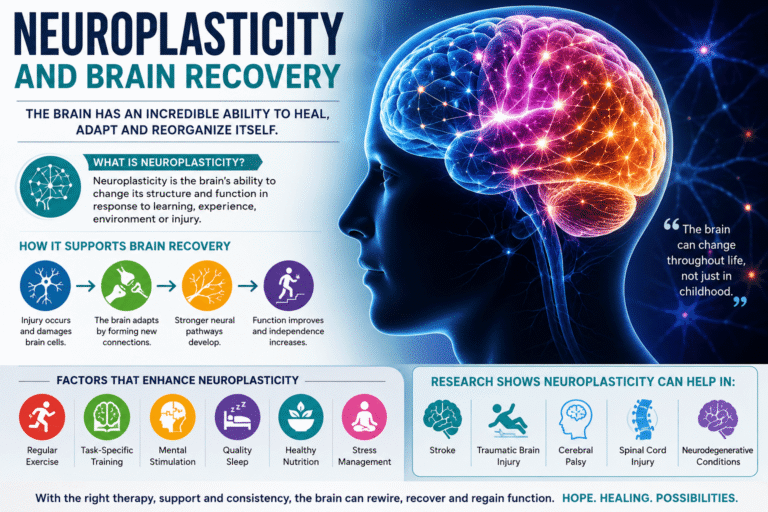
Furthermore, Bobath Therapy focuses on retraining the brain through guided movement and sensory input. Instead of simply strengthening muscles, the therapy emphasizes improving movement patterns and postural control. As a result, patients learn how to move more efficiently and independently.
In addition, Bobath Therapy is not a rigid set of exercises. Rather, it is a problem-solving approach tailored to each individual. Therefore, therapists continuously assess and modify treatment based on the patient’s progress.
The Core Principles of Bobath Therapy
1. Individualized Assessment
Firstly, every treatment plan in Bobath Therapy begins with a detailed assessment. During this stage, the therapist evaluates muscle tone, posture, reflexes, balance, coordination, and functional abilities. Consequently, therapy is customized to address the patient’s specific needs.
2. Facilitation of Normal Movement
Secondly, Bobath Therapy aims to facilitate normal movement patterns. Instead of allowing compensatory or abnormal movements, therapists guide the patient toward controlled and coordinated actions. Therefore, movement quality becomes the primary focus.
3. Inhibition of Abnormal Tone
Moreover, many neurological conditions cause abnormal muscle tone, such as spasticity or rigidity. In this case, Bobath Therapy uses positioning and handling techniques to reduce excessive tone. As a result, smoother movement becomes possible.
4. Sensory-Motor Integration
Additionally, Bobath Therapy recognizes the importance of sensory input. Because the brain relies on sensory feedback to control movement, therapists use touch, pressure, and guided motion to enhance sensory awareness. Consequently, motor learning improves.
5. Functional Goal-Oriented Practice
Finally, therapy sessions focus on meaningful daily activities. For example, patients practice sitting, standing, walking, reaching, and self-care tasks. Therefore, improvements directly translate into daily life.
Conditions Treated with Bobath Therapy
What Is Bobath Therapy : Techniques -Importantly, Bobath Therapy is widely used for both children and adults with neurological impairments. Below are some common conditions:
1. Cerebral Palsy
Firstly, Bobath Therapy is commonly used for children with cerebral palsy. Because cerebral palsy affects movement and muscle tone, structured neurodevelopmental treatment helps improve posture, coordination, and balance.
2. Stroke Rehabilitation
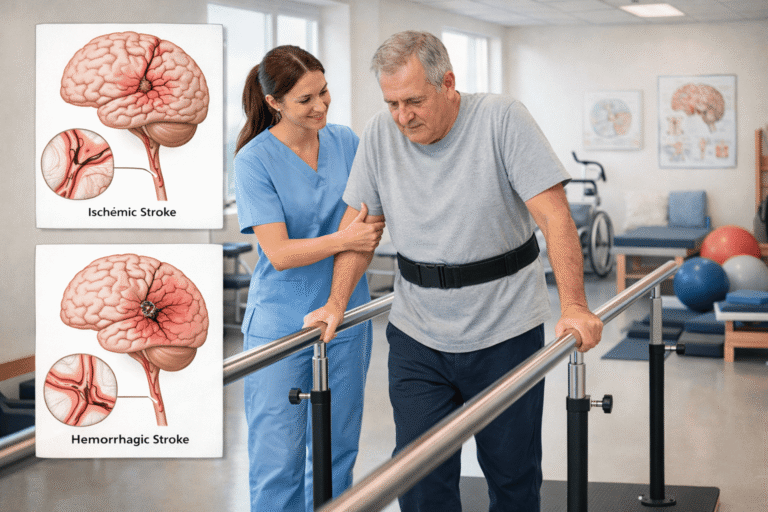
Secondly, adults recovering from stroke benefit greatly from Bobath Therapy. Since stroke often causes hemiplegia or weakness on one side of the body, guided facilitation helps retrain the affected limbs.
3. Traumatic Brain Injury
Furthermore, individuals with traumatic brain injury often experience coordination and balance issues. Therefore, Bobath Therapy supports recovery through controlled motor relearning.
4. Multiple Sclerosis
In addition, patients with multiple sclerosis may experience muscle weakness and poor coordination. Consequently, Bobath Therapy helps maintain functional mobility and independence.
5. Parkinson’s Disease
Similarly, individuals with Parkinson’s disease may struggle with rigidity and slow movements. Therefore, movement facilitation and postural correction techniques are beneficial.
How Bobath Therapy Works
Step 1: Assessment and Goal Setting
Initially, the therapist evaluates the patient’s movement limitations. Afterward, realistic short-term and long-term goals are established. Therefore, therapy remains structured and measurable.
Step 2: Hands-On Facilitation
Next, therapists use hands-on techniques to guide movement. Through specific key points of control—such as shoulders, hips, or trunk—they influence posture and coordination. As a result, patients experience improved alignment.
Step 3: Repetition and Motor Learning
Moreover, repetition plays a critical role in Bobath Therapy. Because the brain adapts through neuroplasticity, repeated practice strengthens neural pathways. Consequently, motor patterns become more natural.
Step 4: Functional Integration
Finally, movements are integrated into daily activities. Therefore, patients practice tasks like walking, transferring, dressing, or feeding. As a result, independence gradually increases.
Benefits of Bobath Therapy
Certainly, Bobath Therapy offers numerous advantages:
- Improved posture and alignment
- Better muscle tone regulation
- Enhanced balance and coordination
- Increased independence in daily activities
- Improved motor control
- Reduced risk of contractures
Furthermore, because Bobath Therapy is individualized, it adapts to each stage of recovery. Therefore, patients of different ages and severity levels can benefit.
Bobath Therapy for Children
Importantly, Bobath Therapy is especially effective in pediatric rehabilitation. Since children’s brains have high neuroplasticity, early intervention yields better results. Therefore, therapists encourage age-appropriate play activities integrated with therapeutic handling.
For example, a child with delayed sitting balance may practice supported sitting while reaching for toys. Consequently, trunk control improves naturally during play.
Additionally, family involvement is encouraged. Because parents practice guided techniques at home, progress becomes consistent and sustainable.
Bobath Therapy for Adults
Similarly, Bobath Therapy is widely used in adult neurological rehabilitation. After stroke or brain injury, patients often develop abnormal movement patterns. Therefore, early guided intervention prevents long-term complications.
For instance, during gait training, therapists focus on weight shifting and trunk alignment. As a result, walking becomes smoother and more efficient.
Moreover, therapy addresses real-life tasks such as climbing stairs or transferring from bed to chair. Consequently, independence improves significantly.
Is Bobath Therapy Evidence-Based?
Importantly, research supports the principles of neuroplasticity and motor relearning used in Bobath Therapy. Although studies vary in outcomes, many clinicians report functional improvements in patients receiving structured neurodevelopmental treatment.
Furthermore, Bobath Therapy continues to evolve based on scientific advancements. Therefore, modern applications integrate evidence-based practice with clinical expertise.
Duration and Frequency of Bobath Therapy
Generally, the duration depends on the severity of the condition. For example:
- Children with cerebral palsy may require long-term therapy.
- Stroke patients may need intensive therapy for several months.
- Maintenance therapy may continue as needed.
Therefore, therapy frequency is customized to individual goals.
Who Provides Bobath Therapy?
Typically, specially trained physiotherapists, occupational therapists, and speech therapists deliver Bobath Therapy. Because the approach requires advanced training, certified professionals ensure safe and effective treatment.
Therefore, when choosing a therapist, ensure they are trained in the Bobath Concept or Neurodevelopmental Treatment approach.
Common Misconceptions About Bobath Therapy
Firstly, some believe Bobath Therapy is only for children. However, it is equally effective for adults. Secondly, others assume it is only passive handling. In reality, active participation is essential. Finally, some think it is outdated. On the contrary, Bobath Therapy continues to adapt with modern neuroscience findings.
Frequently Asked Questions (FAQs)
1. Is Bobath Therapy painful?
No, Bobath Therapy is gentle and guided. Therefore, it focuses on controlled movement rather than force.
2. How soon can results be seen?
Results vary depending on the condition. However, consistent therapy often shows gradual improvement.
3. Can Bobath Therapy be combined with other treatments?
Yes, it can be integrated with occupational therapy, speech therapy, and other rehabilitation programs.
4. Is Bobath Therapy suitable for adults?
Bobath Therapy is widely used in adult neurological rehabilitation.
5. How do I find a certified Bobath therapist?
Consult local rehabilitation centers or hospitals that offer neurodevelopmental treatment programs.
Conclusion
In summary, Bobath Therapy is a comprehensive neurodevelopmental treatment approach designed to improve movement, posture, and functional independence in individuals with neurological conditions. Because it focuses on quality of movement and brain retraining, it promotes long-term motor learning.
Furthermore, whether used for children with cerebral palsy or adults recovering from stroke, Bobath Therapy offers structured and individualized care. Therefore, early intervention and consistent therapy can significantly enhance recovery outcomes.
Ultimately, Bobath Therapy empowers individuals to achieve better mobility, improved confidence, and greater independence in daily life.