
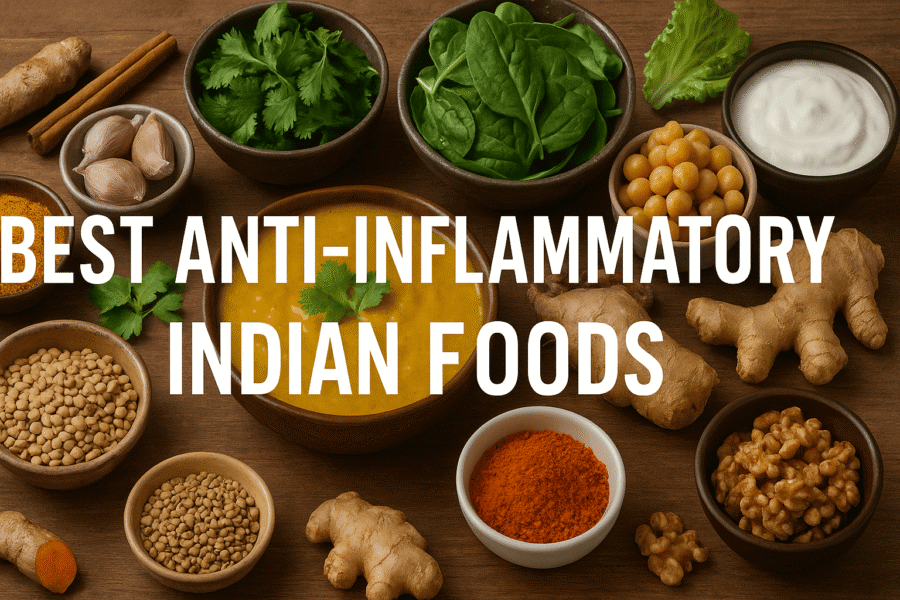
Introduction to the Best Anti-Inflammatory Indian Foods
When it comes to maintaining good health, diet plays an important role. Inflammation is the body’s natural defense against injury and infection, but chronic inflammation can lead to serious health problems such as arthritis, diabetes, and heart disease. Fortunately, Indian cuisine is rich in natural spices, herbs, and foods that fight inflammation effectively. In this blog post, we will explore the best anti-inflammatory Indian foods, their benefits, and how you can include them in your daily meals.
- Fine Motor Activities: Boosting Hand Skills for Lifelong Learning
- Developmental Delay in Babies: Early Signs, Causes, and Effective Support for Healthy Growth
- Pilates Therapy – Complete Professional Details
- What Is Bobath Therapy? What Is Bobath Therapy? A Complete Guide to Neurodevelopmental Treatment What Is Bobath Therapy?
- Best Sensory Processing Therapy for Child: A Complete Parent’s Guide
Why Focus on Anti-Inflammatory Foods in Indian Diet?
Before diving into the list, it is important to understand why anti-inflammatory foods are necessary. While short-term inflammation helps the body heal, long-term inflammation damages tissues and organs. By consuming foods that reduce inflammation, you can protect yourself from lifestyle-related diseases. Indian foods, known for their spices and herbs, are naturally powerful in reducing inflammation because they are rich in antioxidants, vitamins, and bioactive compounds.
Turmeric – The Golden Anti-Inflammatory Spice
Turmeric, also known as “Haldi” in India, is considered the king of anti-inflammatory foods. Its active compound, curcumin, has been widely studied for its healing properties. Curcumin reduces inflammation at the molecular level and improves overall immunity. By adding turmeric to curries, soups, teas, and milk, you can naturally fight inflammation. Moreover, turmeric combined with black pepper increases curcumin absorption in the body.
Ginger – A Traditional Indian Remedy for Inflammation
Another important anti-inflammatory food is ginger. Known as “Adrak” in Hindi, ginger has been used in Indian households for centuries. It contains gingerol, a bioactive compound that reduces inflammation and oxidative stress. Drinking ginger tea, adding ginger to curries, or using it in soups can provide quick relief from inflammatory conditions such as sore throat, joint pain, and muscle stiffness.
Garlic – A Natural Anti-Inflammatory Superfood
Garlic, called “Lehsun” in India, is not only a flavor enhancer but also a strong anti-inflammatory food. Its sulfur compounds, particularly allicin, are responsible for reducing inflammation. Garlic also boosts heart health and strengthens the immune system. Eating raw garlic on an empty stomach or including it in dals, curries, and chutneys can bring long-term health benefits.
Green Leafy Vegetables – The Best Anti-Inflammatory Indian Foods
Indian meals often include green leafy vegetables like spinach (palak), fenugreek leaves (methi), mustard leaves (sarson), and drumstick leaves (moringa). These greens are packed with vitamins, minerals, and antioxidants that help fight inflammation. For instance, moringa leaves are considered a superfood because they contain anti-inflammatory phytochemicals. Adding leafy greens to your sabzis, parathas, and dals is a simple way to include anti-inflammatory foods in your diet.
Lentils and Legumes – Plant-Based Anti-Inflammatory Foods
Lentils (dal) and legumes are staple foods in Indian households. They are high in protein, fiber, and minerals, making them excellent anti-inflammatory foods. Chickpeas, kidney beans, and black gram are rich in antioxidants that help control inflammation. Moreover, lentils support gut health, which is closely linked to inflammation reduction. A bowl of dal every day is not just comforting but also healing.
Nuts and Seeds – Natural Anti-Inflammatory Indian Snacks
Nuts and seeds are excellent anti-inflammatory foods that fit perfectly into the Indian diet. Almonds, walnuts, flaxseeds, sesame seeds, and chia seeds contain omega-3 fatty acids that fight inflammation. Roasting them lightly or adding them to smoothies, chutneys, and ladoos can provide long-term benefits. These foods also improve brain health and heart function, making them essential in daily meals.
Indian Herbs – Tulsi, Ashwagandha, and Neem
Apart from spices, Indian herbs such as tulsi (holy basil), ashwagandha, and neem are considered powerful anti-inflammatory foods. Tulsi tea reduces stress and inflammation, while ashwagandha controls cortisol levels, lowering inflammation caused by stress. Neem, on the other hand, detoxifies the blood and strengthens immunity. Including these herbs in teas, powders, or Ayurvedic preparations ensures holistic health.
Fermented Indian Foods – Natural Probiotics with Anti-Inflammatory Effects
Fermented foods like curd, buttermilk, dosa, idli, and pickles improve gut health. A healthy gut reduces overall body inflammation. Probiotic-rich foods balance gut bacteria, which prevents inflammatory responses. By adding curd to your meals or enjoying fermented snacks, you can promote digestion and reduce inflammation naturally.
Fruits and Vegetables – Colorful Anti-Inflammatory Foods
Fruits and vegetables like berries, papaya, pomegranate, tomatoes, carrots, and beets are rich in antioxidants. They reduce oxidative stress, which is a major cause of chronic inflammation. In Indian diets, fruits are often consumed as snacks or in salads. By eating a rainbow of fruits and vegetables daily, you can boost immunity and protect your body from inflammation.
Best Anti-Inflammatory Indian Foods for Arthritis Relief
Arthritis is one of the most common conditions linked to chronic inflammation. Indian foods such as turmeric milk, ginger tea, and moringa leaves are particularly effective in reducing joint pain. By including anti-inflammatory spices and herbs in your diet, you can manage arthritis symptoms naturally without side effects.
Best Anti-Inflammatory Indian Foods for Heart Health
Inflammation also plays a role in heart disease. Foods like garlic, flaxseeds, walnuts, and green leafy vegetables help reduce cholesterol and blood pressure. Regular consumption of these foods lowers the risk of heart disease and keeps the cardiovascular system healthy.
Best Anti-Inflammatory Indian Foods for Diabetes Management
Diabetes is another lifestyle condition linked to chronic inflammation. Indian spices such as cinnamon, turmeric, and fenugreek seeds control blood sugar levels while reducing inflammation. Including bitter gourd (karela) and Indian gooseberry (amla) in your diet provides additional benefits for people with diabetes.
FAQs on the Best Anti-Inflammatory Indian Foods
Q1. What are the best anti-inflammatory Indian foods for daily use?
Turmeric, ginger, garlic, lentils, nuts, seeds, and leafy greens are the best choices for daily meals.
Q2. Can anti-inflammatory foods cure arthritis?
While they may not cure arthritis completely, anti-inflammatory foods can reduce pain, swelling, and stiffness naturally.
Q3. How can I include anti-inflammatory spices in my diet?
You can add turmeric, ginger, cinnamon, and garlic to curries, teas, soups, and smoothies.
Q4. Are Indian fermented foods good for inflammation?
Yes, foods like curd, dosa, and idli improve gut health, which directly reduces inflammation.
Q5. Is turmeric milk really effective for inflammation?
Yes, turmeric milk (haldi doodh) is one of the most effective Indian remedies for reducing inflammation and boosting immunity.
Conclusion – Healing with the Best Anti-Inflammatory Indian Foods
Indian cuisine offers a wide range of natural anti-inflammatory foods that can be easily included in your daily meals. From turmeric and ginger to leafy greens, nuts, seeds, and fermented foods, these ingredients not only enhance flavor but also protect your body from chronic diseases. By making small dietary changes and focusing on the best anti-inflammatory Indian foods, you can improve your health, strengthen immunity, and live a longer, disease-free life.