
Writer@Dr.Ram Prakasha BPThWhy Sleep Matters More Than You Think
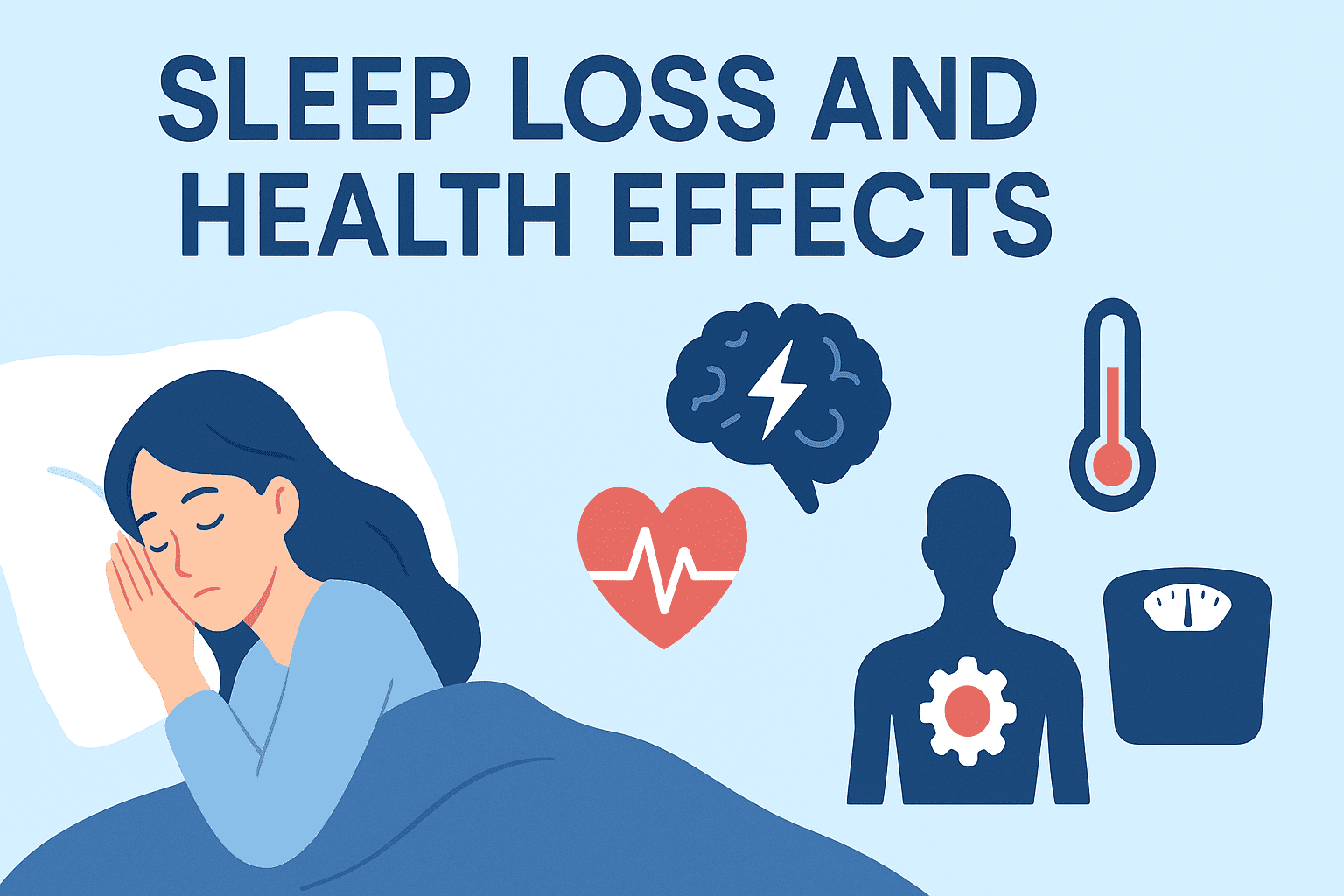
Sleep is more than just rest. It is the foundation of a healthy life, just like nutrition and exercise. However, millions of people around the world struggle with poor sleep. Because of this, understanding sleep loss and health effects becomes essential. In fact, sleep deprivation affects the brain, the body, and long-term well-being. Therefore, this blog explains everything you need to know about sleep loss and health effects, supported with easy tips and insights.
- Fine Motor Activities: Boosting Hand Skills for Lifelong Learning
- Developmental Delay in Babies: Early Signs, Causes, and Effective Support for Healthy Growth
- Pilates Therapy – Complete Professional Details
- What Is Bobath Therapy? What Is Bobath Therapy? A Complete Guide to Neurodevelopmental Treatment What Is Bobath Therapy?
- Best Sensory Processing Therapy for Child: A Complete Parent’s Guide
What Is Sleep Loss?
Sleep loss simply means not getting enough sleep. It can be short-term or long-term. For example, staying awake to finish work causes short-term sleep loss. However, chronic insomnia leads to long-term sleep deprivation. Because of this, the effects of sleep loss and health consequences can be dangerous.
Sleep Loss and Health Effects on the Brain
First of all, the brain suffers the most when you lose sleep. Studies prove that memory, focus, and decision-making decline after sleep deprivation. Therefore, students, professionals, and drivers face higher risks of accidents. Furthermore, mood swings, irritability, and anxiety increase due to lack of sleep. As a result, mental health conditions like depression may worsen.
Physical Health Risks of Sleep Deprivation
Equally important are the physical sleep loss and health effects. For instance:
- Weakened immunity: Because the immune system repairs during sleep, lack of rest lowers your ability to fight infections.
- Weight gain: Sleep loss disrupts hunger hormones, leading to overeating. Therefore, obesity risk rises.
- Heart problems: High blood pressure, irregular heartbeat, and stroke risk increase.
- Diabetes risk: Poor sleep affects blood sugar control.
Thus, sleep loss and health effects go hand in hand with chronic diseases.
Sleep Loss and Long-Term Health
In addition, chronic sleep deprivation affects life expectancy. Because of constant stress hormones, your body wears out faster. Therefore, risks of Alzheimer’s disease, cancer, and metabolic disorders increase. Moreover, research shows that people sleeping less than six hours regularly live shorter lives.
Emotional and Social Effects of Sleep Deprivation
Not only does sleep deprivation affect your body, but also your relationships. Because of low patience and irritability, conflicts increase. In addition, poor concentration reduces work productivity. Therefore, sleep loss and health effects extend beyond personal health into social life.
Causes of Sleep Loss
Sleep deprivation can happen for many reasons. For instance:
- Lifestyle factors: Late-night screen time, caffeine, or night shifts.
- Medical conditions: Sleep apnea, chronic pain, or anxiety disorders.
- Environmental issues: Noise, uncomfortable bed, or irregular schedule.
Because of these factors, understanding causes is the first step toward better sleep health.
How to Prevent Sleep Loss and Reduce Health Effects
Fortunately, healthy sleep habits can prevent most sleep problems. Therefore, try these tips:
- Stick to a fixed sleep schedule every day.
- Avoid caffeine, alcohol, or nicotine close to bedtime.
- Keep your bedroom cool, dark, and quiet.
- Exercise regularly, but not too late in the evening.
- Limit screen time before bed to reduce blue light exposure.
Because of these practices, you can reduce the negative sleep loss and health effects.
Natural Remedies for Better Sleep
In addition, some natural solutions help fight sleep deprivation. For example, chamomile tea calms the nerves. Similarly, lavender oil promotes relaxation. Moreover, meditation and deep breathing improve sleep quality. Therefore, natural remedies support healthy sleep without side effects.
Sleep Loss and Workplace Health
Equally concerning are the effects of poor sleep at work. Because of reduced focus, mistakes happen more often. In addition, workplace accidents increase when employees are sleep deprived. Therefore, companies lose productivity and revenue. Because of this, promoting good sleep hygiene improves workplace wellness.
Sleep Deprivation in Students: Academic Health Effects
Students also face serious sleep loss and health effects. Because of exams and late-night study habits, concentration decreases. Furthermore, memory retention weakens, which affects grades. In addition, emotional stress rises, leading to anxiety. Therefore, healthy sleep is as important as study for academic success.
Sleep Loss and Children’s Health
Children also need proper sleep for growth and learning. Because of late-night gadgets, many children lose sleep. Therefore, risks like obesity, mood changes, and poor school performance increase. In addition, their immune system suffers. Thus, parents must guide children toward healthy sleep habits.
Sleep Deprivation and Technology: The Modern Health Risk
Because of smartphones, laptops, and social media, sleep loss has become more common. Blue light from screens delays melatonin release. As a result, falling asleep becomes harder. Therefore, reducing screen exposure before bed improves sleep health.
Sleep Loss and Mental Health Effects
Furthermore, mental health suffers deeply due to lack of sleep. Depression, stress, and anxiety worsen without proper rest. In fact, many psychologists use sleep therapy for mental health treatment. Therefore, quality sleep acts as natural medicine for emotional balance.
FAQs About Sleep Loss and Health Effects
Q1. How many hours of sleep are necessary for good health?
Most adults need 7–9 hours of sleep. Teenagers need 8–10 hours, while children require even more.
Q2. Can sleep loss cause permanent damage?
Yes. Chronic sleep deprivation leads to long-term risks such as heart disease, diabetes, and memory loss.
Q3. What is the fastest way to recover from sleep loss?
The best way is to return to a consistent sleep schedule. Naps may help, but regular quality sleep is the key.
Q4. Does caffeine worsen sleep loss and health effects?
Yes. Because caffeine stimulates the nervous system, it delays sleep and reduces quality.
Q5. Is it possible to train the body to need less sleep?
No. Sleep is a biological need, and reducing it causes serious health effects.
Conclusion: Protect Your Health by Prioritizing Sleep
In conclusion, sleep is not a luxury but a necessity. Because sleep loss and health effects impact every part of life, ignoring them leads to serious problems. Therefore, focus on sleep hygiene, healthy habits, and natural remedies to protect your health. Remember, good sleep means better health, stronger immunity, sharper focus, and longer life.
All Medical content is based on verified sources such as ICMR, AIIMS, and MoHFW India