writer@Dr.Ram Prakasha PTIntroduction: Why Vaccination Matters for Low Birth-Weight Newborns
Low birth-weight newborns face a higher risk of health complications compared to babies born with normal weight. Since their immune systems are not fully developed, they are more vulnerable to infections and diseases. As a result, vaccination plays a critical role in improving their chances of survival and long-term health. Moreover, with the growing global emphasis on infant health, understanding the vaccination impact for low birth-weight newborns is essential for parents, caregivers, and healthcare providers.
- L1-79 and Autism Spectrum Disorder: What Does the Research Say?
- WHO Releases Updated Drinking Water Quality Guidelines: A Major Step Toward Safer Water Worldwide
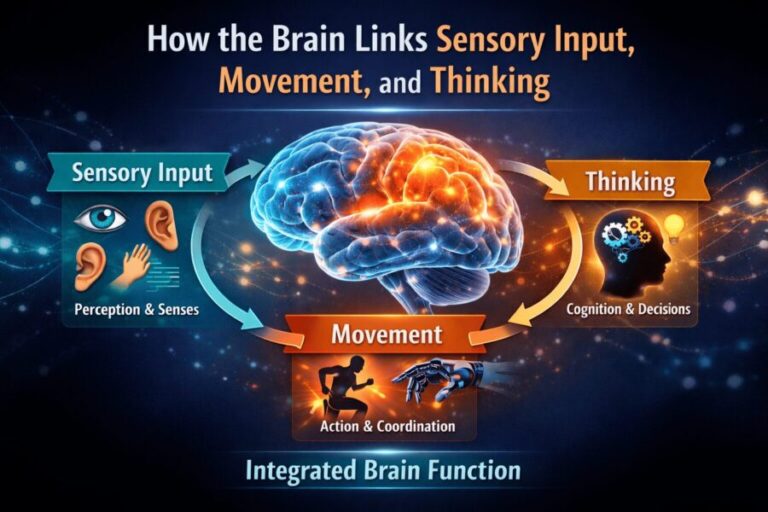
- Neuroplasticity and Brain Recovery: The Science Behind Healing and Rehabilitation
- Fine Motor Activities: Boosting Hand Skills for Lifelong Learning
- Developmental Delay in Babies: Early Signs, Causes, and Effective Support for Healthy Growth
Vaccination Benefits for Premature and Low Birth-Weight Babies
When babies are born prematurely or underweight, they often need additional protection. Vaccines provide that protection by boosting their immunity. In addition, vaccination benefits extend beyond disease prevention. For example, immunized low birth-weight infants show better growth outcomes, fewer hospitalizations, and improved developmental progress. Therefore, vaccination serves as a powerful health intervention that reduces mortality rates among this high-risk group.
Immunization Schedule for Low Birth-Weight Infants
The immunization schedule for low birth-weight infants usually mirrors that of normal-weight babies. However, healthcare professionals may adjust the timing based on the child’s medical condition and readiness. Furthermore, vaccines like BCG, hepatitis B, and oral polio are recommended immediately after birth in most regions. On the other hand, some vaccines may be delayed if the newborn is extremely underweight or unstable. Despite these considerations, vaccination remains a cornerstone of neonatal care.
Effectiveness of Vaccination in Low Birth-Weight Newborns
Research highlights that vaccination is highly effective in protecting underweight babies against life-threatening diseases. Although the immune response of these infants may be slightly lower, vaccines still provide significant protection. Additionally, multiple studies confirm that vaccination reduces the risks of pneumonia, meningitis, and sepsis, which are common causes of death in premature infants. Consequently, vaccination impact for low birth-weight newborns is not just significant—it is life-saving.
Vaccination Safety for Low Birth-Weight Newborns
Parents often worry about vaccine safety for underweight babies. However, extensive clinical evidence shows that vaccines are safe and well-tolerated. While mild side effects like fever or soreness at the injection site may occur, serious adverse reactions are extremely rare. Furthermore, healthcare professionals closely monitor low birth-weight infants during immunization to ensure safety. Hence, vaccination provides far greater benefits compared to any minimal risks.
Role of Vaccination in Reducing Infant Mortality
Globally, infant mortality remains a concern, especially in developing nations. Low birth-weight babies contribute significantly to these numbers due to their fragile health. Fortunately, vaccination dramatically reduces infant mortality by preventing severe diseases such as measles, whooping cough, and tuberculosis. Therefore, timely immunization is one of the most effective strategies to save the lives of low birth-weight newborns.
Long-Term Health Benefits of Vaccination in Low Birth-Weight Infants
The advantages of vaccination are not limited to early infancy. Instead, they extend into long-term health improvements. For example, vaccinated low birth-weight babies are less likely to suffer from chronic infections that hinder development. Additionally, immunization lowers the chances of long-term disabilities by protecting the nervous system from diseases like meningitis. Consequently, vaccination helps ensure a healthier future for these vulnerable children.
Global Studies on Vaccination Outcomes in Low Birth-Weight Newborns
Numerous studies across Asia, Africa, and Latin America confirm the positive vaccination outcomes for underweight newborns. For instance, WHO reports indicate that immunization programs reduce hospitalization rates by over 40% among low birth-weight infants. Similarly, UNICEF highlights that vaccination against pneumonia and diarrhea prevents thousands of deaths annually. Clearly, scientific evidence strongly supports the vaccination impact for low birth-weight newborns across different regions.
Vaccination Challenges for Underweight Infants
Although vaccination is highly beneficial, challenges exist in implementing it for underweight babies. In rural and low-income areas, limited healthcare facilities hinder timely immunization. Additionally, parental hesitation and lack of awareness sometimes delay vaccinations. Furthermore, premature babies in neonatal intensive care units may face logistical delays. Nevertheless, healthcare systems worldwide are working to overcome these barriers through education and expanded immunization coverage.
Vaccination Programs Supporting Low Birth-Weight Infants
Government programs and international health organizations play a crucial role in ensuring vaccination for underweight infants. For instance, the Expanded Program on Immunization (EPI) and Gavi, the Vaccine Alliance, provide global support. Moreover, national healthcare initiatives promote awareness campaigns, free vaccines, and mobile clinics to reach underserved areas. Thus, vaccination programs strengthen public health while protecting vulnerable newborns.
Parental Awareness and Role in Vaccination
Parents play an essential role in the vaccination journey of low birth-weight newborns. By staying informed about the immunization schedule, attending regular checkups, and addressing vaccine-related doubts with healthcare providers, parents actively protect their child’s health. In addition, when parents share positive vaccination experiences, they encourage other families to immunize their babies. As a result, parental awareness significantly enhances vaccination coverage.
Nutrition, Growth, and Vaccination in Low Birth-Weight Babies
Nutrition and vaccination go hand in hand in protecting underweight infants. Proper nutrition strengthens the immune system, thereby improving the effectiveness of vaccines. Moreover, breast milk provides natural antibodies, while immunization offers additional disease protection. Therefore, a combination of vaccination and good nutrition helps low birth-weight babies grow stronger and healthier.
Future Research on Vaccination for Underweight Newborns
Although vaccination already shows remarkable impact, future research continues to explore ways to improve immunization outcomes for underweight infants. For example, scientists are studying more effective vaccine doses, innovative delivery systems, and personalized schedules. Furthermore, global collaborations aim to ensure that every low birth-weight newborn receives full immunization regardless of location or economic condition. Consequently, future advancements promise even greater protection for vulnerable babies.
FAQs: Vaccination Impact for Low Birth-Weight Newborns
Q1: Is vaccination safe for low birth-weight newborns?
Yes, vaccination is safe. Most underweight babies tolerate vaccines well, with only minor side effects.
Q2: Should vaccination be delayed for premature babies?
In most cases, vaccination begins on schedule. However, doctors may adjust timing if the baby is unstable.
Q3: Which vaccines are most important for underweight newborns?
BCG, hepatitis B, polio, and DPT vaccines are vital for protecting against severe infections.
Q4: How does vaccination reduce infant mortality?
Vaccines prevent life-threatening diseases, reducing hospitalizations and deaths among underweight babies.
Q5: Can parents influence vaccination success?
Yes, informed and proactive parents ensure timely vaccination, leading to better protection for their baby.
Conclusion: Strengthening the Future with Vaccination
In conclusion, vaccination has a profound impact on the survival and health of low birth-weight newborns. It protects against deadly infections, reduces infant mortality, and ensures better growth and development. Moreover, with supportive healthcare programs and increased parental awareness, the benefits of immunization can reach every vulnerable infant. Ultimately, vaccination impact for low birth-weight newborns is not only a medical necessity but also a life-saving commitment to the future of global child health.
All Medical content is based on verified sources such as ICMR, AIIMS, and MoHFW India